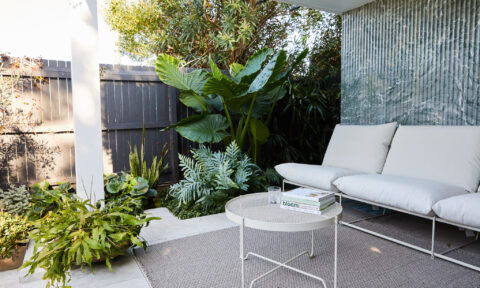
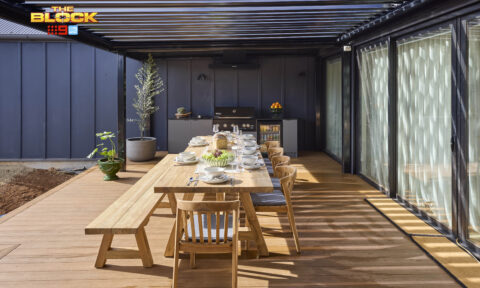
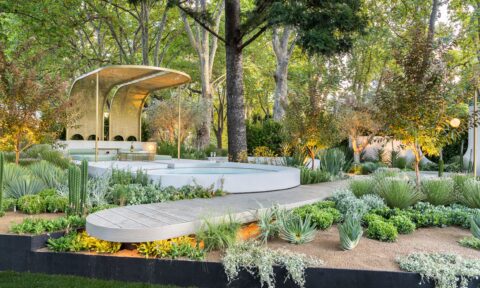
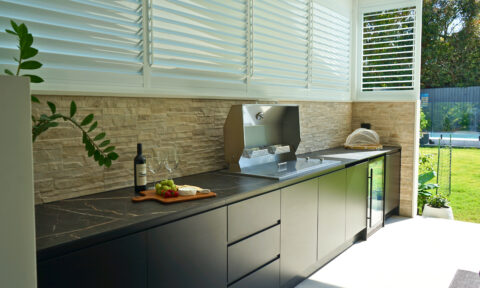
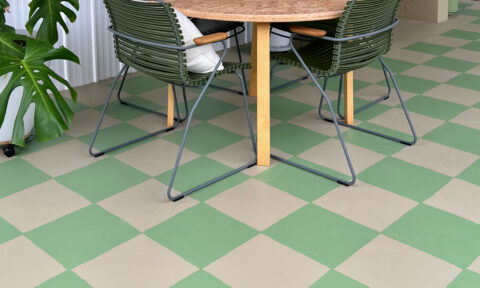
As Spring approaches and entertaining shifts into focus, Temple & Webster are spotlighting the rise of connected spaces. This design approach blurs the aesthetic boundary between indoors and outdoors to make homes feel like they are one continuous space. The look is defined by furniture that can be easily adapted for any part of the house.
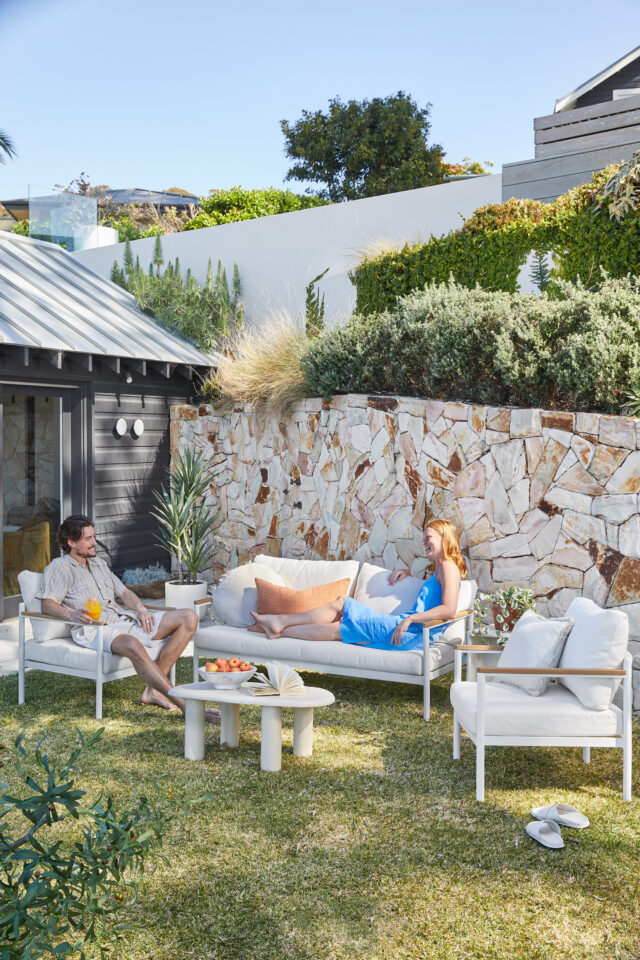
Lucy Sutherland, director of insights & trends at Temple & Webster, says: “Connected spaces are all about visual continuity between the indoors and out, whether it’s through colour, materials, or style. Outdoor furniture is no longer just about function and durability, and indoor furniture is no longer confined to aesthetics. We’re now seeing versatile pieces that look beautiful, withstand the elements, and move easily between indoor and outdoor zones, making compact homes feel expansive and perfect for entertaining.”
With smaller homes, apartments, and urban living on the rise, Australians are seeking clever ways to make their spaces work harder. Recent research highlights why this shift is happening. According to the Australian Bureau of Statistics (ABS, February 2025), the average size of Australian dwellings have been on a steady decline over the past 15 years, as property prices rise and denser apartment living becomes the norm.
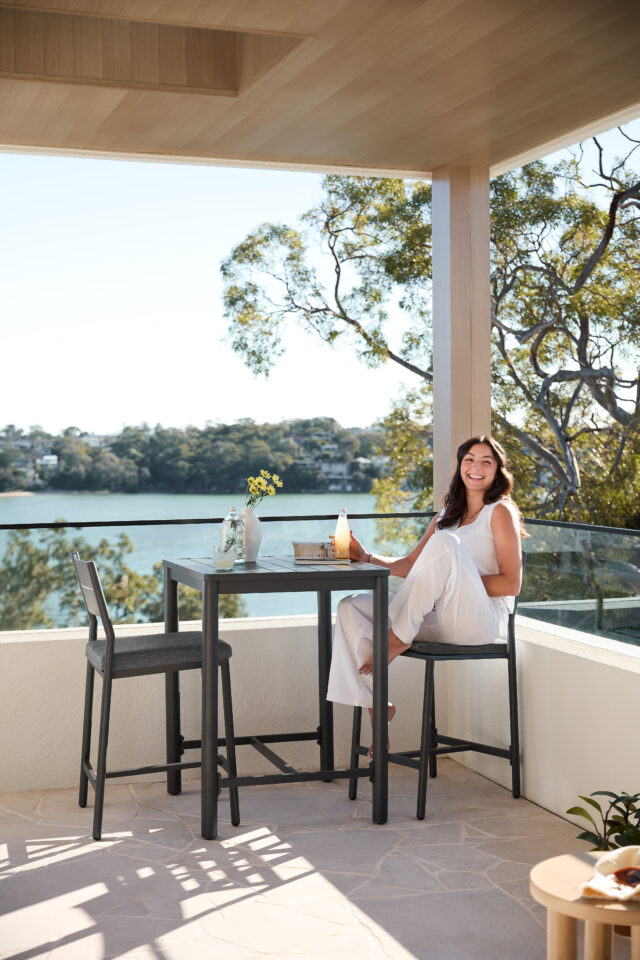
Similar trends are surfacing with the demand for multi-functional and space-saving furniture. With more Australians living in compact homes, versatile designs such as sofa beds, modular seating, extendable dining tables and storage ottomans are increasingly popular. Consumers are seeking out pieces that can adapt to their lifestyle, offering dual purposes and maximising limited space without sacrificing comfort or style.
“Smaller homes have sparked the need for connected spaces,” says Lucy. “But our growing appreciation for the outdoors and our need to socialise and relax at home has made connected living a mainstream aspiration, not just a luxury.”
Temple & Webster’s data shows Australians are investing in pieces that traditionally belonged in other zones for new parts of their homes. Searches for ‘large outdoor rugs’ are up 104% year-on-year (Jan–July 2025), and searches for ‘outdoor couches’ are up 72% year-on-year.
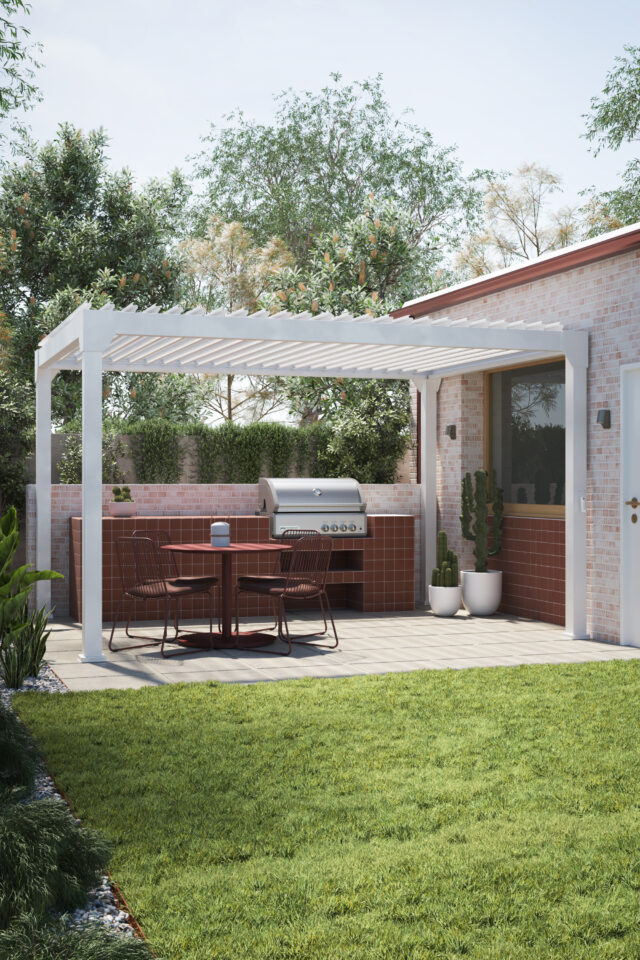
Outdoor festoon lights are one of Temple & Webster’s all-time bestsellers. Lucy says: “They offer an effortless way to set the mood, turning backyards, courtyards or balconies into inviting extensions of the home. Incorporating furniture and homewares that feel warmer and more elevated into the outdoors is a natural next step”
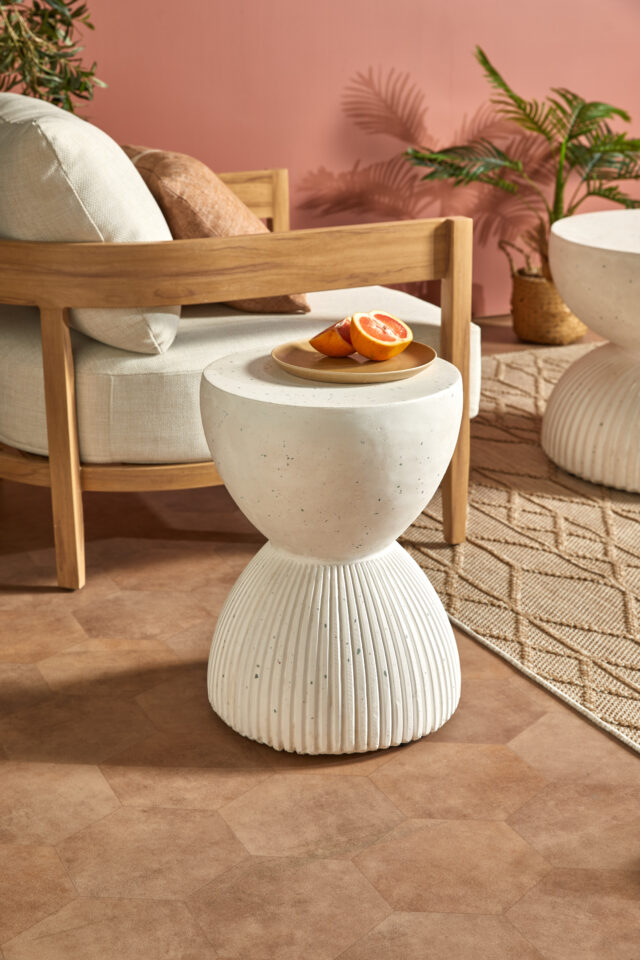
To meet this demand, the retailer has launched new ranges of outdoor furniture that easily transition between different spaces, including stackable dining chairs, bouclé armchairs and polystone coffee tables.
Lucy suggests several simple styling approaches to help Australians make the most of their homes this season:
- Keep it seamless: Stick to similar-toned colours across furniture and décor to visually connect zones.
- Layer from the ground up: Outdoor rugs in tones similar to indoor flooring add warmth and continuity.
- Repeat accents: Use the same accent colours or patterns in both spaces for strong visual flow.
- Maximise flow: Ensure large pieces don’t block movement between indoors and outdoors.
- Add greenery and light: Plants and layered lighting extend the living space and set the mood for entertaining.
With house and land prices rising and compact living becoming more common, Temple & Webster predict the connected-living trend will continue to grow. “Dual-purpose living is no longer a nice-to-have; it’s becoming a necessity. Australians want versatile spaces that support how we live, work, socialise and entertain, all within smaller footprints. Connected spaces are here to stay.”