RailScapes founder Deborah Holtschlag reveals how vertical gardening can turn balconies and patios into lush, layered sanctuaries.
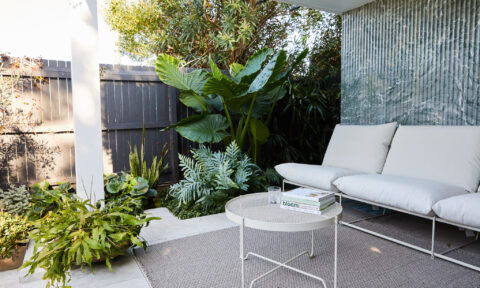
Nothing quite compares to having a touch of greenery at home – settling into a quiet corner with a favourite book, or simply unwinding after a long day surrounded by plants offers a sense of calmness. When outdoor space is limited or traditional garden beds are not an option, creating a peaceful garden retreat can be challenging. The good news is that with a bit of creativity, even the smallest balcony, patio or outdoor nook can be transformed into a lush sanctuary.
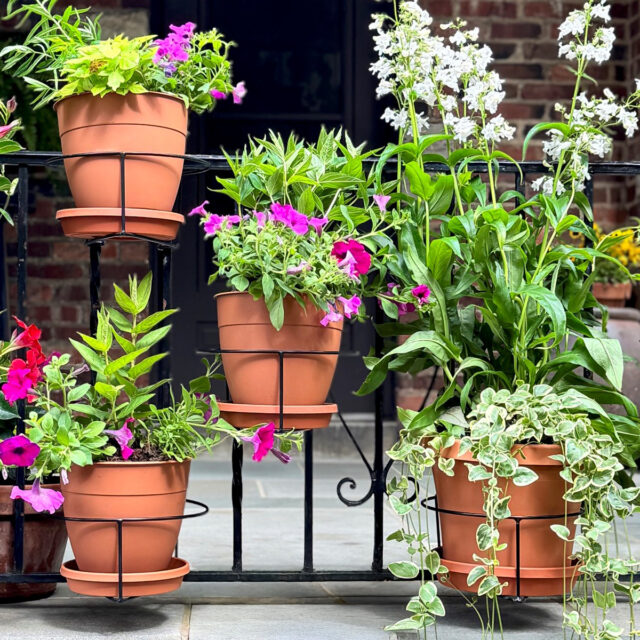
According to Deborah Holtschlag, founder of Plant Traps, a balcony gardening speciality brand, the key to creating a thriving balcony garden is often simpler than people think. Her award-winning innovation, RailScapes Vertical Plant Hooks, allows plants to be elevated along balcony railings, utilising underused vertical space, to create a layered garden without taking up valuable floor area.
“Greenery can completely change how a space feels,” says Deborah. “Even a small balcony can become a calming outdoor retreat when plants are lifted into view and layered vertically. RailScapes are designed to fit securely onto balcony railings with vertical spindles, providing a stable bracket for plants. They are practically invisible from the curb making them easily work with your decor or personal style.”
With a few thoughtful choices around plant selection, placement and care, even the smallest outdoor space can be transformed into a stunning floating garden. Here, Deborah shares her tips for urban gardening enthusiasts.
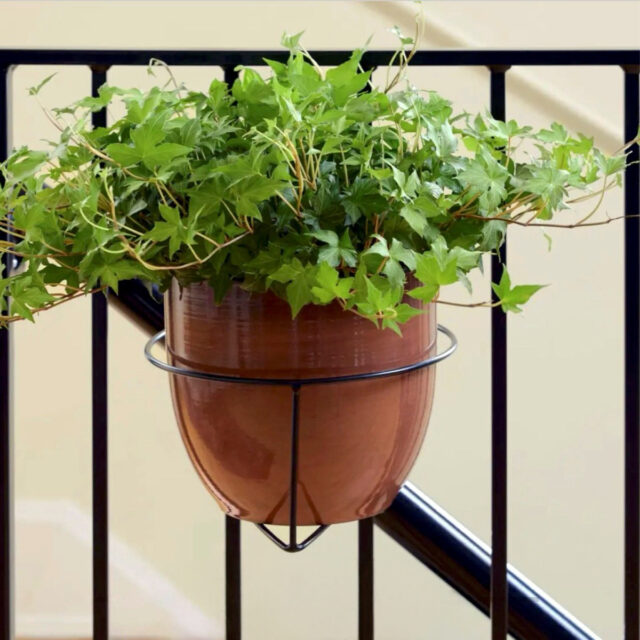
- Start by making the most of vertical space
RailScapes clip-on hangers can be used on balcony and deck railings, fences or stairs, so the first thing to consider when creating your vertical garden is deciding which space you would like to utilise. Greenery can really elevate the entrance to your home, so a front balcony with cascading florals could improve its street appeal, a green oasis on your back balcony can create the perfect indoor-outdoor feel, or if you are planning a small nursery for vegetables and herbs, an outdoor nook or fence could be suitable. Instead of filling valuable floor space with pots, using vertical areas can keep spaces open and functional while creating a lush, layered garden effect.
- Let sunlight and climate guide your plant choices
The location of your chosen space also plays an important role in determining which plants will thrive. Consider natural factors such as how much sunlight and wind your balcony or outdoor area receives throughout the day. Hardy plants such as succulents, herbs and compact grasses often perform well in smaller spaces. It is also important to consider your local climate conditions.
For example, in coastal areas, tough and drought-tolerant plants such as coastal rosemary, succulents and lavender are low-maintenance plants, require minimal watering and perfect for sunny spots. Flowers such as jasmine, freesia, and marigolds add vibrant colour and a delightful fragrance, and can really set the scene.
- Let your plants create texture and flow
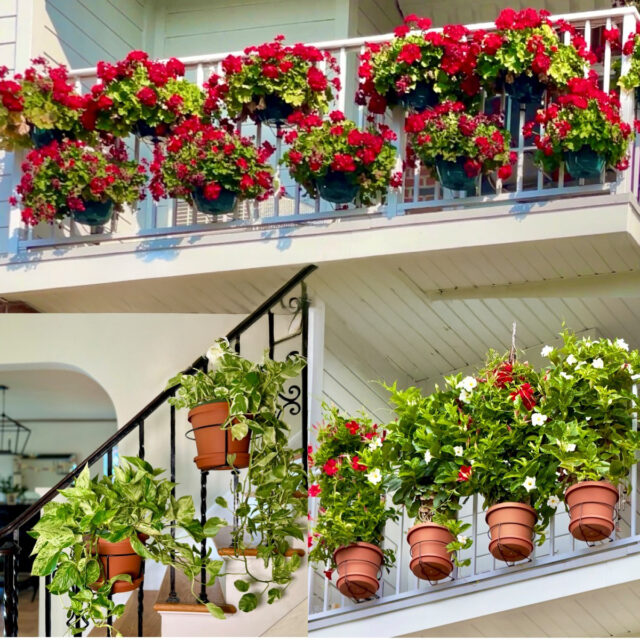
Gardens are designed to bring a sense of relaxation, improve mood and create a stronger connection with nature. Choosing plants that suit your environment and naturally create movement and layering is key to achieving this effect. “Vertical greenery introduces texture, movement and natural colour at different levels,” she explains. “It softens hard balcony materials like concrete or metal and makes the space feel warmer, more designed and more inviting.”
Trailing plants work particularly well in vertical gardens as they produce a soft, cascading display. Varieties such as dichondra ‘Silver Falls’, trailing petunias, ivy geraniums and mandevilla can help build a lush, layered look that brings life and depth to the space.
- Create simple care routines for your garden
While most outdoor spaces can work well with RailScapes, it is also helpful to consider the day-to-day simple maintenance of your space. Good drainage is important for balcony gardening, so use pots with drainage holes, quality potting mix and saucers where needed. Vertical containers can dry out, particularly in breezy areas, so group those with similar watering needs to keep things easy to manage. “Tending a small garden can become a simple daily ritual,” she says. “It might be watering your plants with your morning coffee or taking a quiet moment outdoors at the end of the day.”
- Let your garden grow naturally
The beauty of a vertical garden is the sense of possibility it creates. “If you are new to vertical gardening, starting with just a few plants is a great way to begin. Beginning small allows you to experiment with different plants and arrangements while slowly creating layers of greenery that grow into an interesting and balanced outdoor space,” says Deborah.
RailScapes Vertical Plant Hooks are made from high-quality, durable steel, and rust-resistant powder coated. They offer easy tool-free installation to position at any height, and are available from Bunnings nationally. RRP: $19.98.







Comments
I love the idea of using vertical space to create a greener and more relaxing outdoor retreat. The emphasis on layering plants and creating a calming atmosphere shows that even small spaces can have a big impact. It’s interesting how concepts like a livable greenhouse are inspiring people to blend nature more naturally into everyday living spaces.