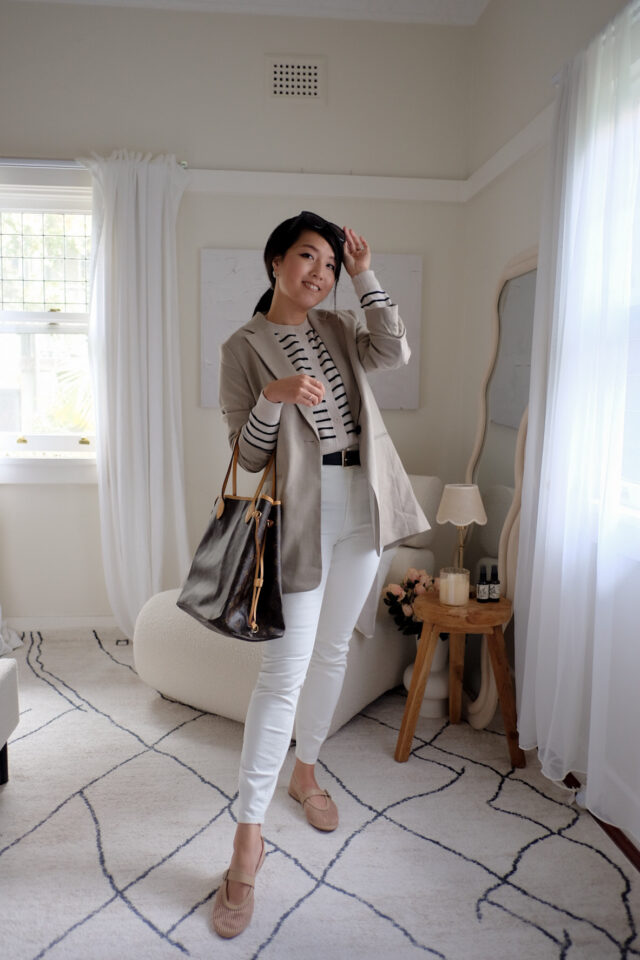
When Fiona Ho and her family of four downsized to a two-bedroom apartment in North West Sydney, she was faced with a big challenge: how to fit her eight-year-old daughter and five-year-old son into a single 3mx2.8m room, without compromising comfort or style.
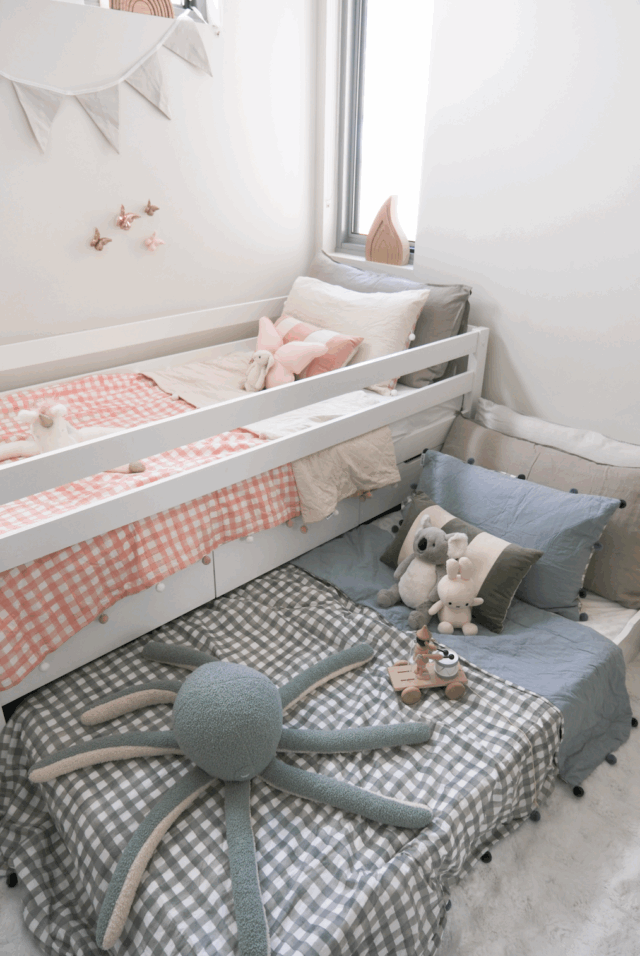
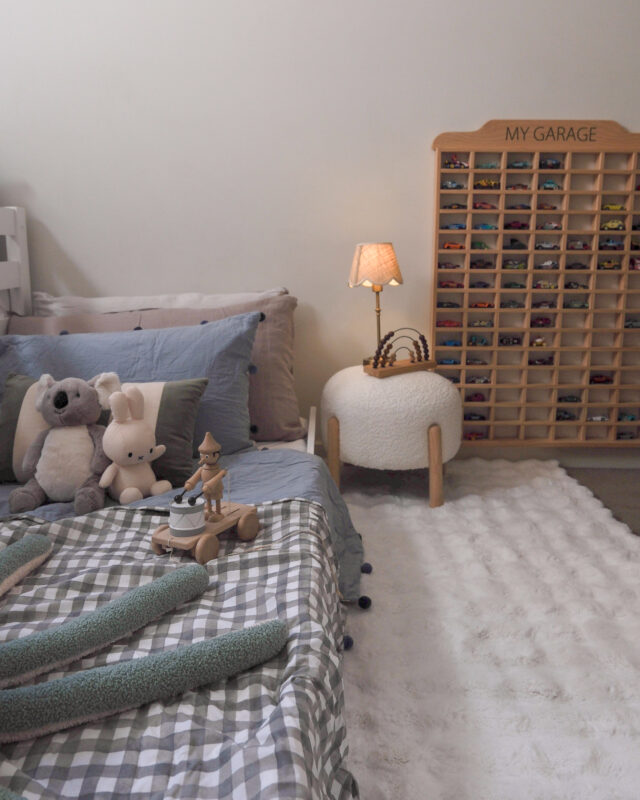
Armed with her interior architecture background and a budget of $1,000, Fiona transformed the compact space into a cosy, light-filled haven for her children. She documented the journey on TikTok, where it resonated with other families grappling with Sydney’s housing squeeze.
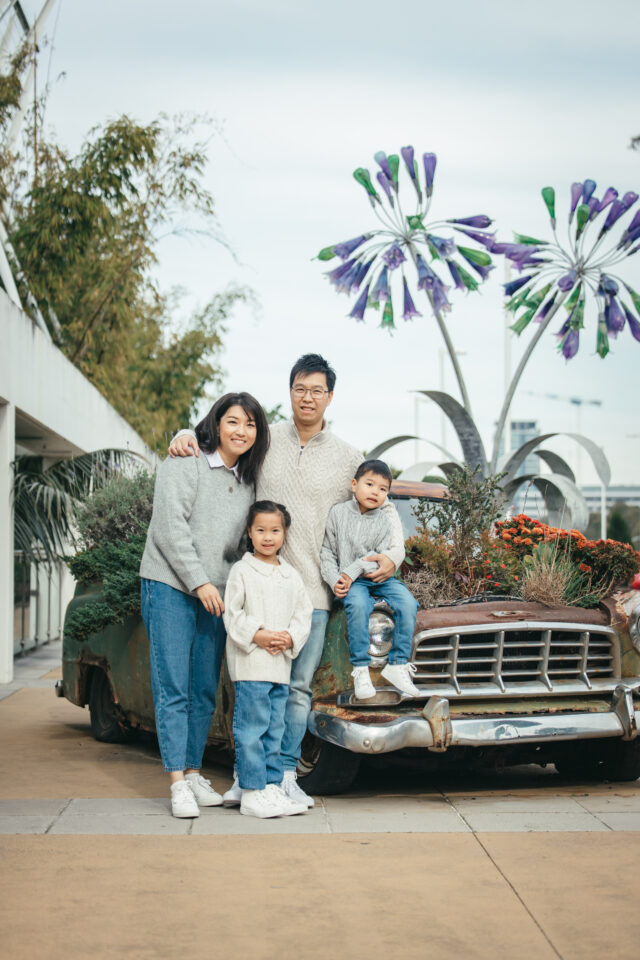
“Living in Sydney is expensive, especially with the high cost of living and housing affordability being a concern to many; we are no different. When we decided we were moving into a two-bedroom apartment, I already knew the kids would need to share, so it was about making it functional, nurturing, and reflective of them,” Fiona said.
The biggest challenge? Working with a narrow floorplan and two windows that couldn’t be blocked. Fiona focused on multifunctional furniture and clever styling tricks to maximise every square metre.
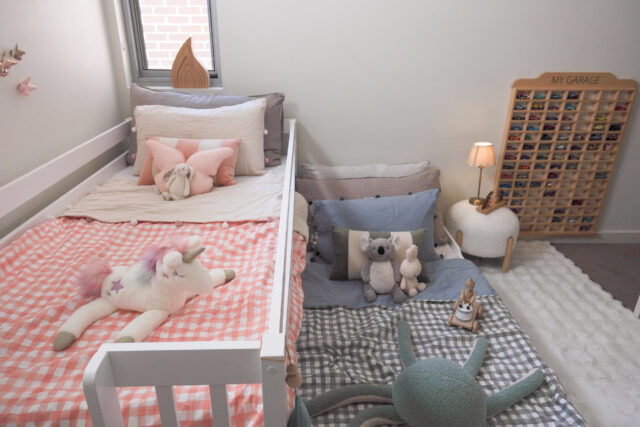
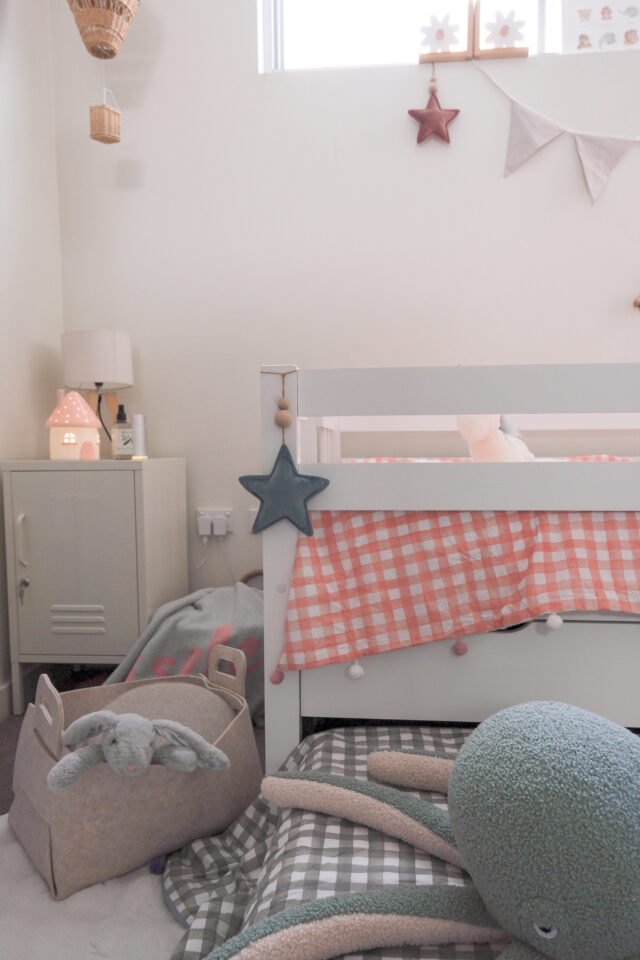
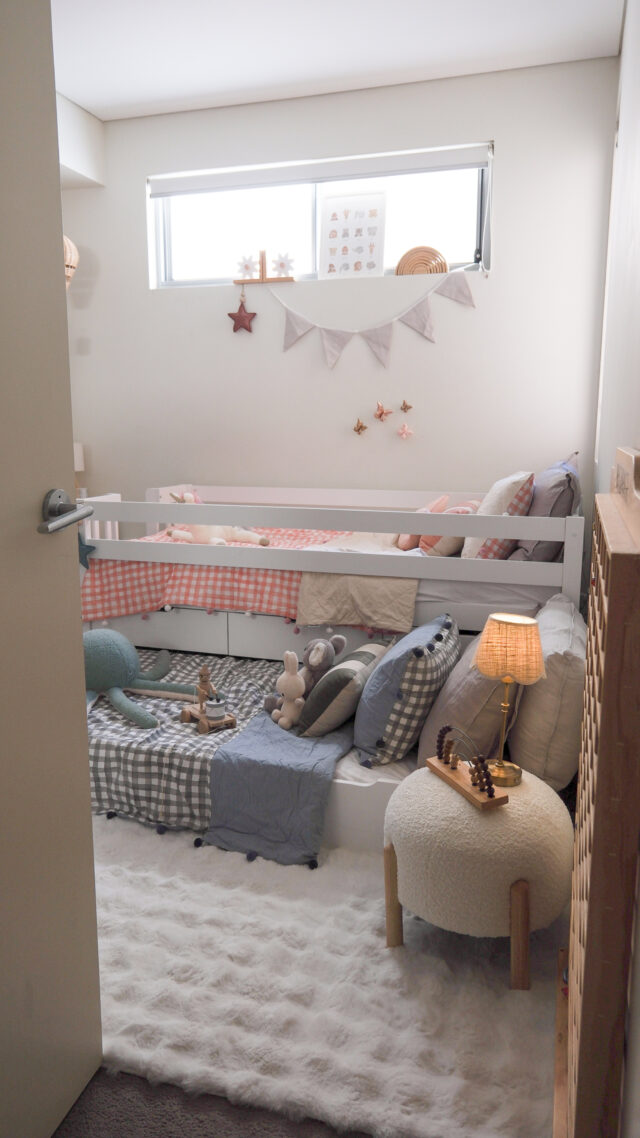
Fiona immediately ruled out tall bunks: “The room is narrow and has two windows, I didn’t want to block as natural light is so important. So I needed something low, practical, and space-saving.”
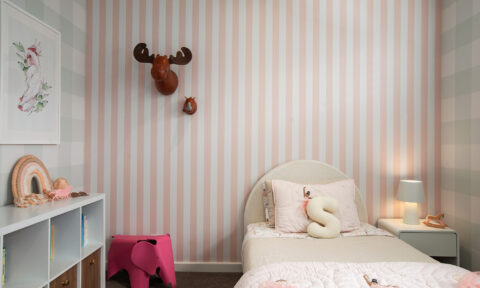
Her hero piece became a white timber bed with a pull-out trundle and storage drawers. “It’s affordable, sturdy, and multifunctional, three musts when you’re designing for kids in a small home.”
She anchored the room around the bed, layering light, airy furniture, and soft textures to offset the dark carpet. “I wanted the kids to see their bed straight away as the focal point when they walked in, and I wanted it to feel calm, not cluttered.”
Fiona’s Design Rules for Small Shared Rooms
Rather than seeing the size of the room as a limitation, Fiona approached it as a puzzle, and her solution is packed with lessons for other families making the most of smaller spaces.
1. Make Your Biggest Piece of Furniture the Focal Point
“The bed is always the biggest item in a kid’s room. Instead of fighting it, make it your centrepiece,” Fiona explained. “By choosing a low bed with a hidden trundle and storage drawers, I freed up valuable floor space for play. Placing it in the corner also kept the windows unobstructed, ensuring the room stayed light and airy.”
2. Stick to a Neutral Base and Layer With Colours
Her rule: walls, floors, and major furniture should be timeless neutrals. Then, layer in your child’s personality through bedding, cushions, artwork, and décor. “It means you can swap things out as they grow without spending thousands each time. “Kids change their minds quickly. A neutral base means you can swap colours and décor as they grow without redoing everything,” she said
3. Layer in Texture Such As Boucle and Woods
Colour can sometimes overwhelm a small space, so Fiona leaned on texture to create depth and warmth. A shag rug, boucle ottoman, oak shelves, and soft cotton throws all helped balance the space. “Textures soften the room and keep it cosy, without crowding it. They also make a space more inviting,” she said.
4. Balance Individuality in a Shared Space
Designing for both a boy and a girl can be tricky, but Fiona found ways to keep the room cohesive while letting each child have ownership. Matching gingham quilt covers in two different colours provided harmony and individuality in one move. “They feel like the room is theirs, but it still looks pulled together.”
5. Always Prioritise Functionality Over Trends
From choosing storage-friendly furniture to avoiding anything too bulky, Fiona kept functionality at the core. “It’s tempting to buy pieces that look beautiful, but if they crowd the room or don’t serve a purpose, they’ll only make life harder. Always choose pieces that are proportionate, flexible, and functional,” she said.
6. Create Calm Through Proportion and Light
In small rooms, proportion is everything. Fiona emphasised scale, ensuring no piece overwhelmed the space. “By keeping windows clear and maximising natural light, we maintained a calm, uplifting atmosphere. A well-lit, breathable space is nurturing for kids. You don’t want overstimulation.”
Fiona’s 50/30/20 Budget Rule
The makeover cost just under $1,000, thanks to secondhand finds and clever prioritisation:
- Bed with trundle: $509
- Ottoman: $40
- Rug: $120
- Quilt sets (2): $150
- Décor items: $100
- Secondhand bargains: $80.
“I always break budgets down: 50% big pieces, 30% smaller furniture, 20% soft furnishings. Thrifting and Facebook Marketplace are my biggest cost-savers as you can find so many treasures people are letting go of,” Fiona shared.
She also repurposed existing pieces: “Styling isn’t about buying new every time. It’s about reshuffling what you have and adding small updates to create a fresh vibe.”
Fiona defines a nurturing environment as calm, comfortable, and welcoming. “Lighting, proportion, and softness are key. Too much furniture or too many loud colours can overstimulate. A few soft textures, neutral tones, and breathable space go a long way.”
Her broader philosophy applies beyond children’s rooms: “I always design around one main piece, for example, the sofa in the living room or the bed in the bedroom, then build outwards. Keep proportions right, respect natural light, and don’t clutter.”
As Sydney apartments get smaller, multifunctional furniture and thoughtful design are no longer luxuries; they’re necessities. “Compact design isn’t a trend, it’s reality. Families can’t afford to dedicate space to single-purpose furniture anymore. Pieces that serve multiple functions are the key to comfortable small-space living,” Fiona concluded.