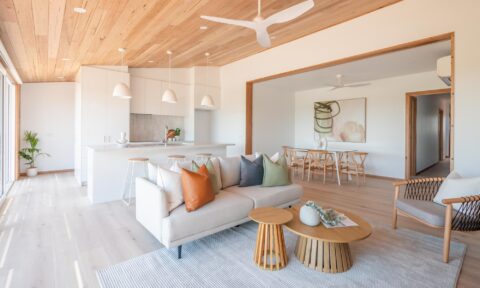
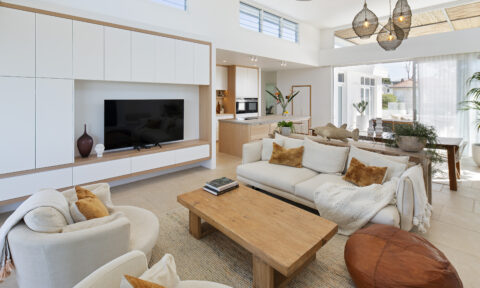
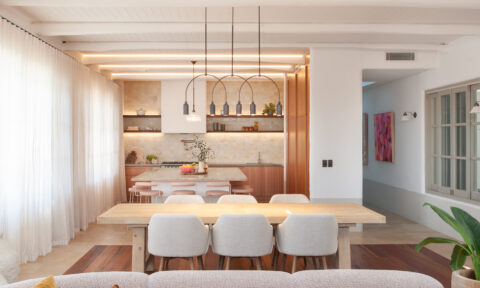
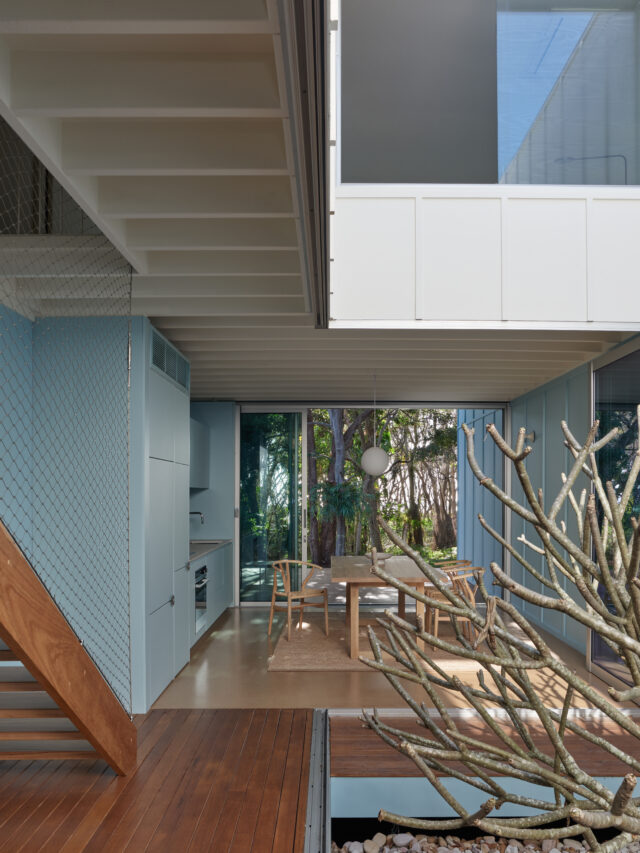
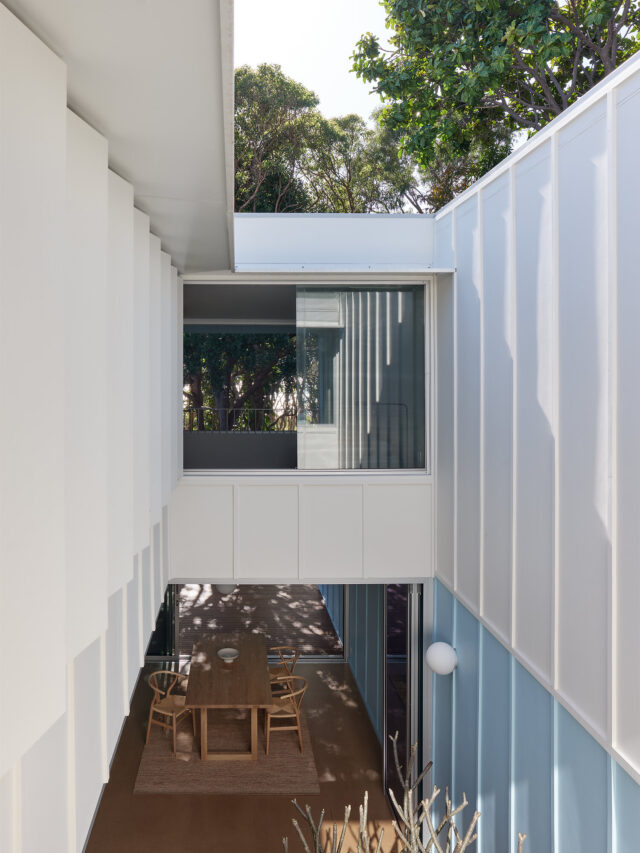
A prefabricated modular unit on a Queensland island has won the prestigious Australian House of the Year. Blok Three Sisters by Blok Modular and Vokes and Peters is a set of three coastal terrace homes designed for three siblings who spent their childhood holidays in a house on the same site in North Stradbroke Island.
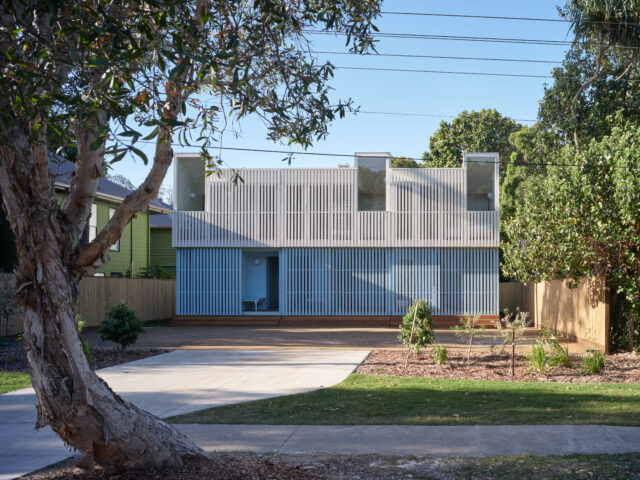
The three units which replaced the single dwelling on the site, were prefabricated in the Blok Modular factory in Brisbane and then delivered and assembled on the island given limited access, to ease building costs and efficiency. The home is a brilliant example of “stealth density”, where one suburban home has subtly become three. It’s an excellent model of sustainable and responsible residential design and could be readily adapted to another suburban setting in Australia.
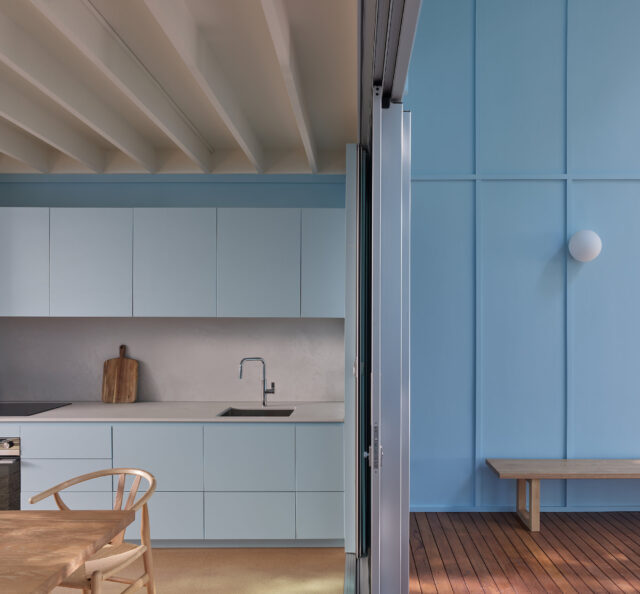
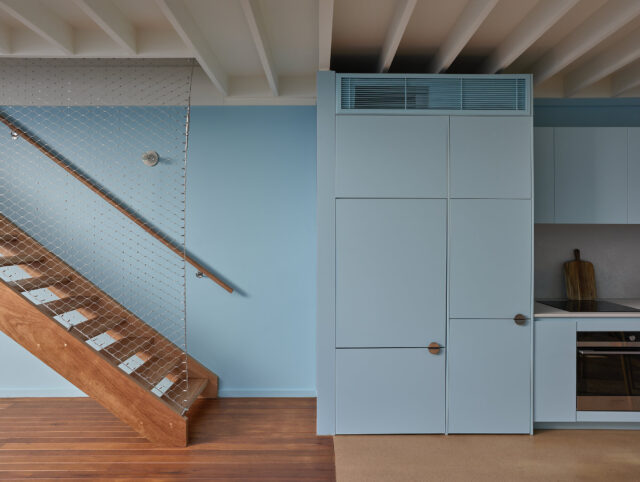
Unlike a lot of modular homes, where people imagine some kind of shipping container refurbishment, this one effortlessly blends into the coastal streetscape. Modular homes such as this are increasingly becoming an elegant design solution for hard-to-reach sites.
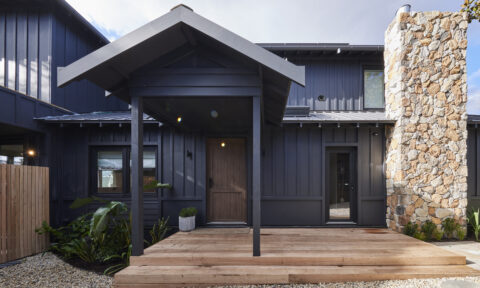
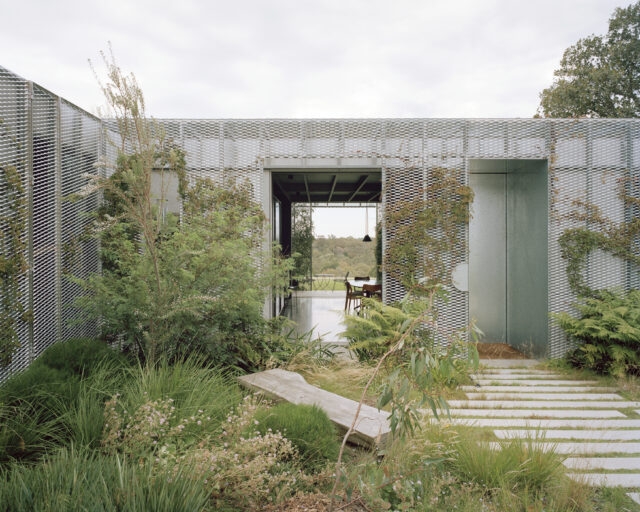
Hedge and Arbour House by Studio Bright is about the meeting of suburban order and native wilderness and the house as a mediator between these two environments. The suburban home in Melbourne wrapped in a veil of vines, was awarded in the New House Over 200 Square Metres category. The home’s architecture dissolves into the site, and puts landscape firmly first.
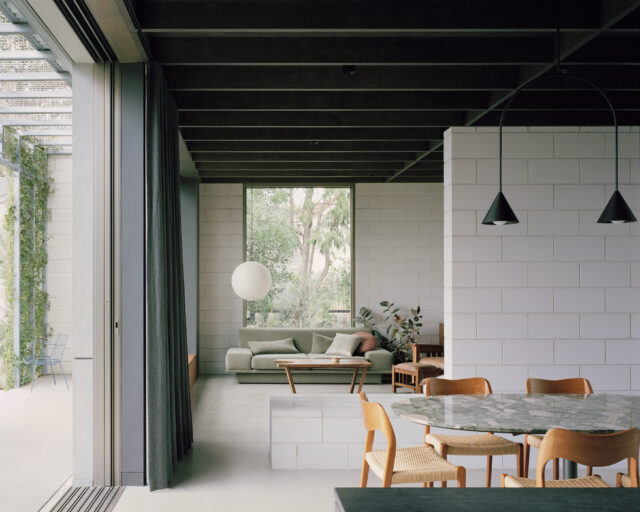
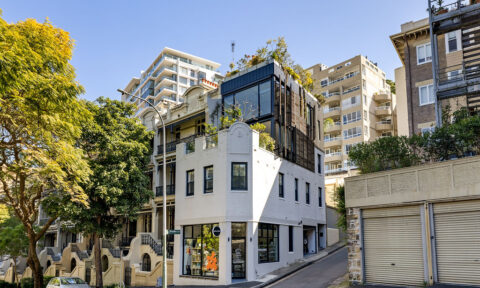
Cloaked House by Trias is an unusual adaptation of an existing mid-century home in Mosman NSW, where land values are very high (and knockdown rebuilds are common). The architect’s strategy was to retain and adapt the existing fabric, reskin the building and rework the layout within the footprint of the existing home. The architects are very passionate about responsible and sustainable architecture and development and refer to this project as an example of “sophisticated sustainability”. It was shortlisted in the Sustainability category.
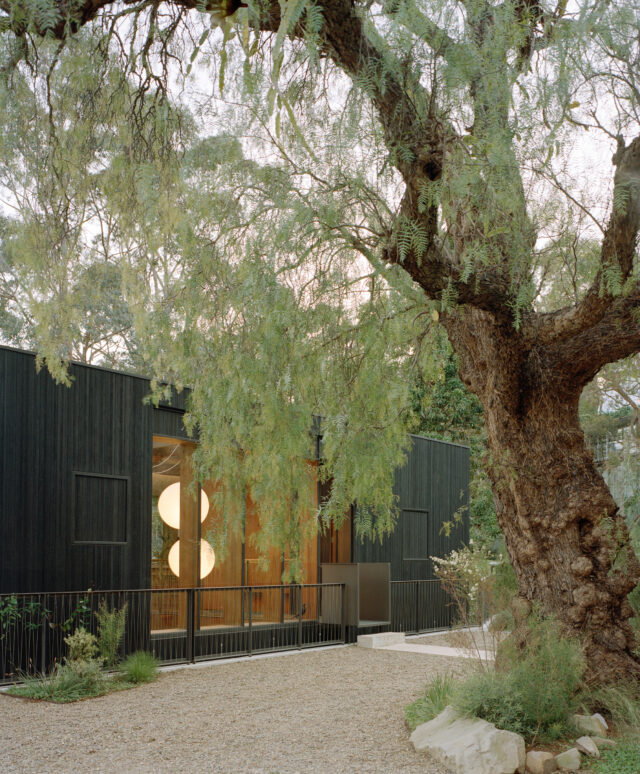
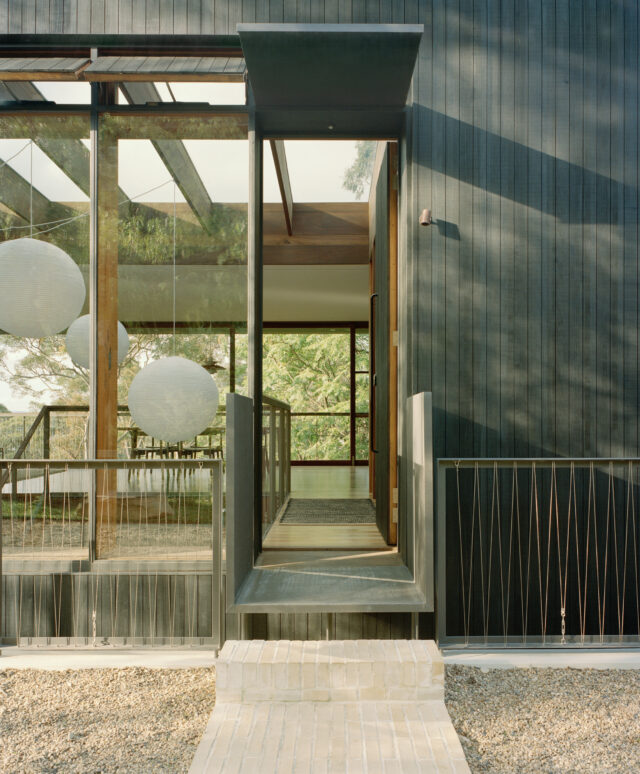
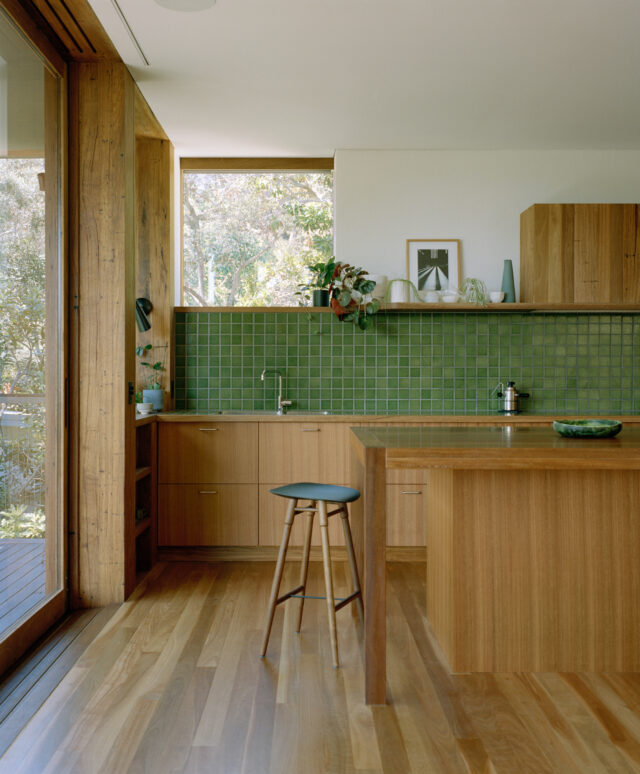
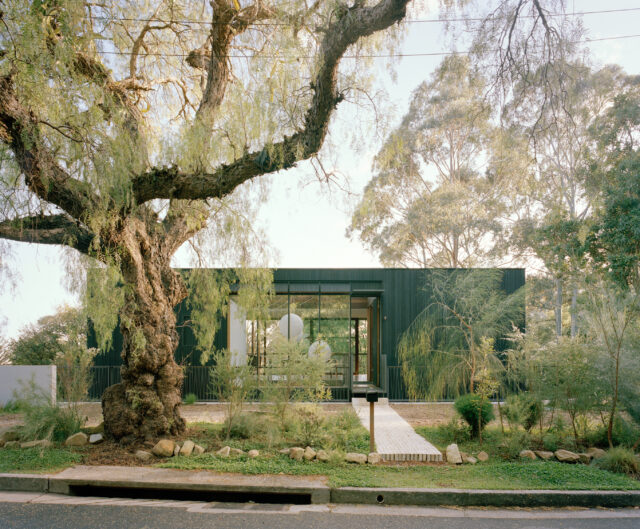
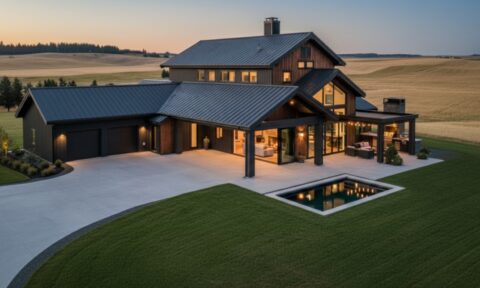
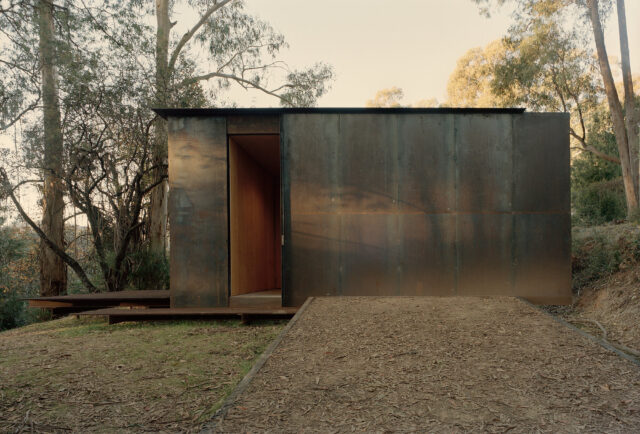
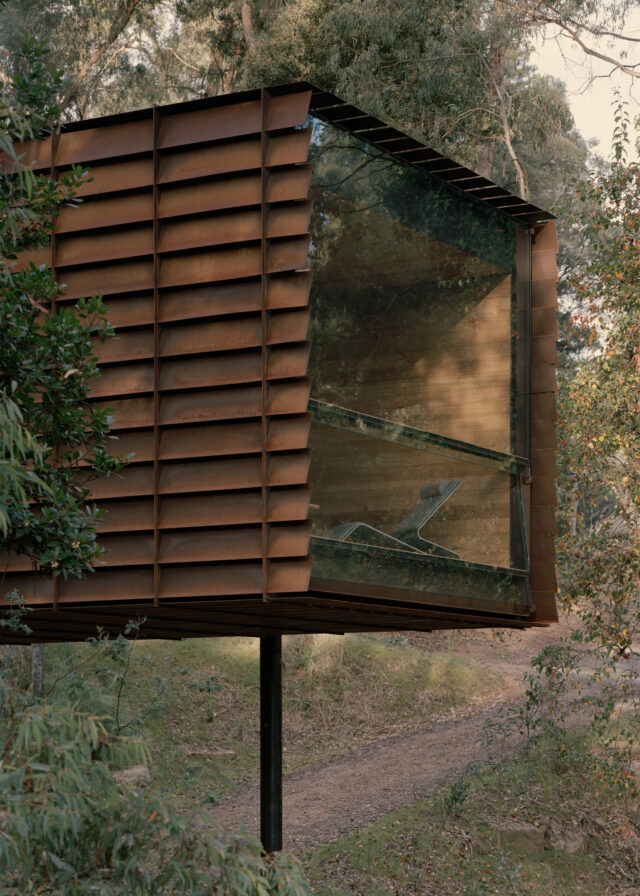
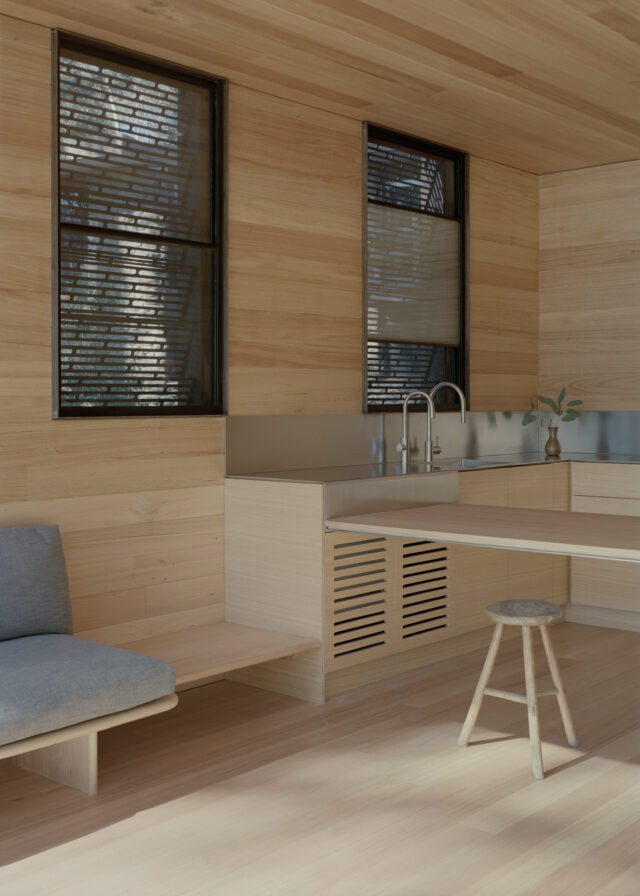
Sawmill Treehouse by Robbie Walker, winner of the New House under 200 square metres category, is a tiny cabin suspended in the gum trees in the Mansfield VIC wilderness. A very serene and restorative space where a lot of restraint was shown and the home is deliberately built small (a big trend this year).
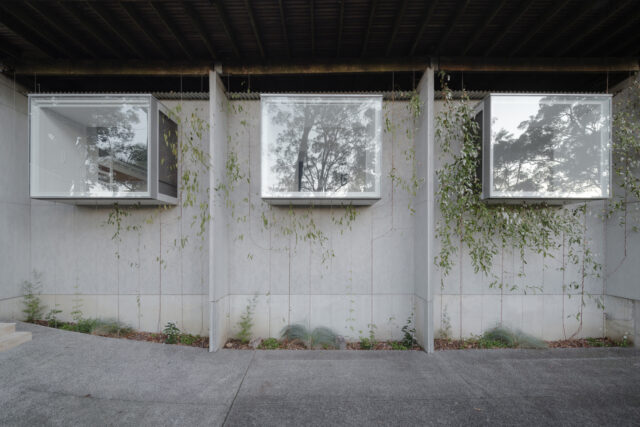
Winner of the first ever Small Project category, Window, Window, Window by Panov Scott is a highly flexible granny flat seamlessly inserted into the undercroft of an existing house – turning an under-utilised portion of the site into a highly functional second dwelling.
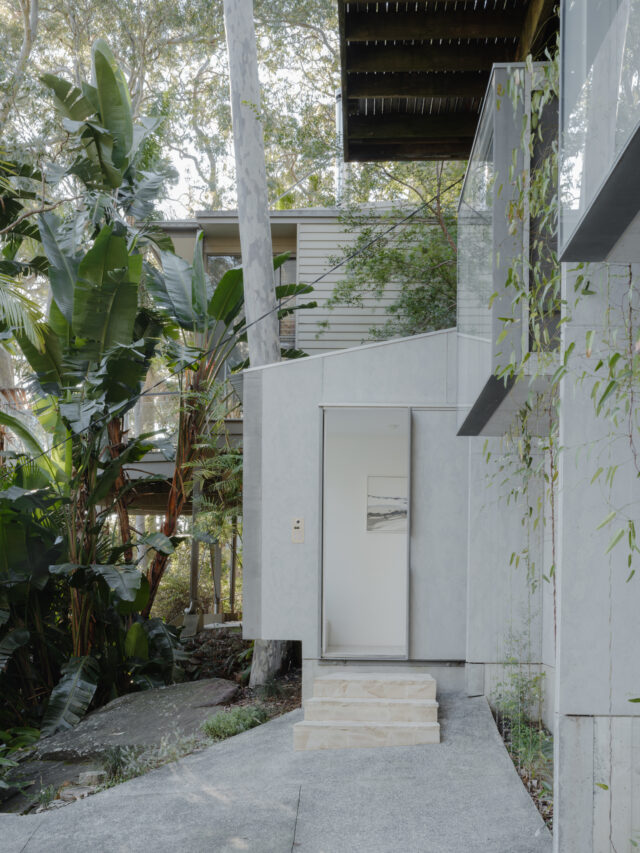
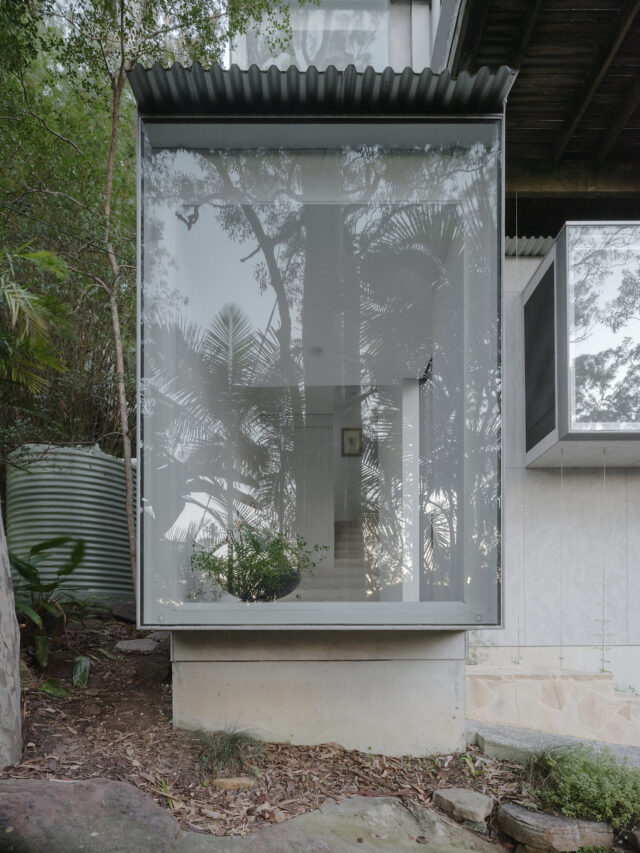
The sustainability winner is a beach house that sleeps up to 17 people – Cake House by Alexander Symes Architect. It’s a real curiosity amongst locals in the Mollymook Beach area in NSW. The home is a fantastic blueprint for a sustainable beach home or holiday house that could be used elsewhere in Australia.
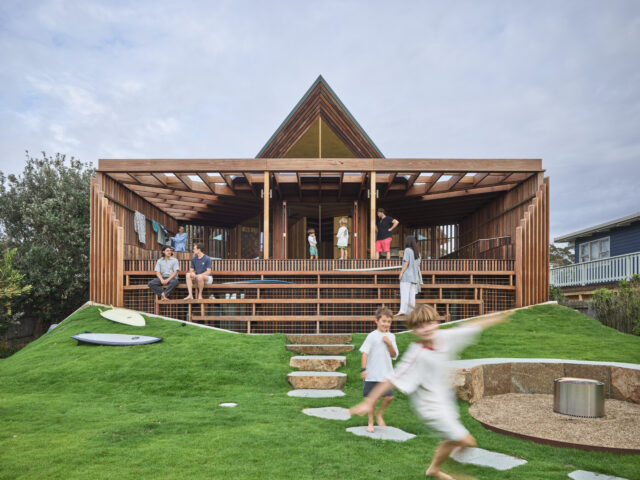
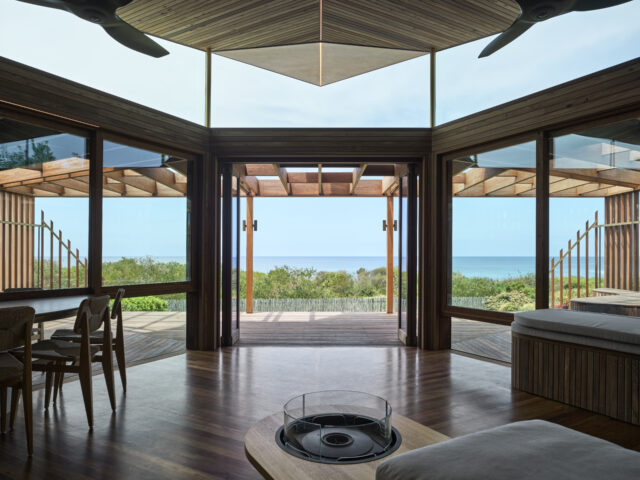
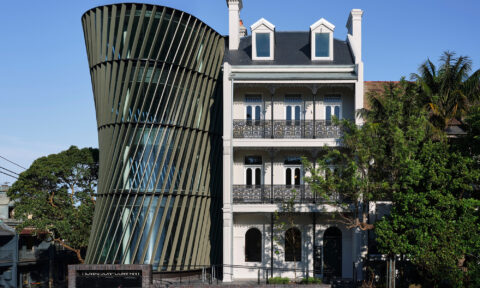
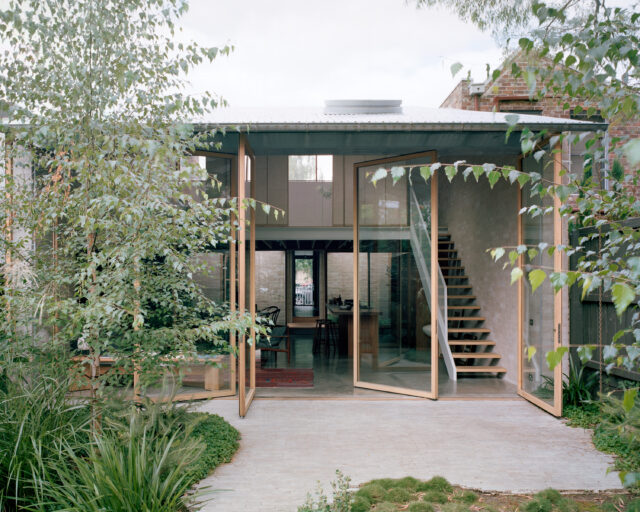
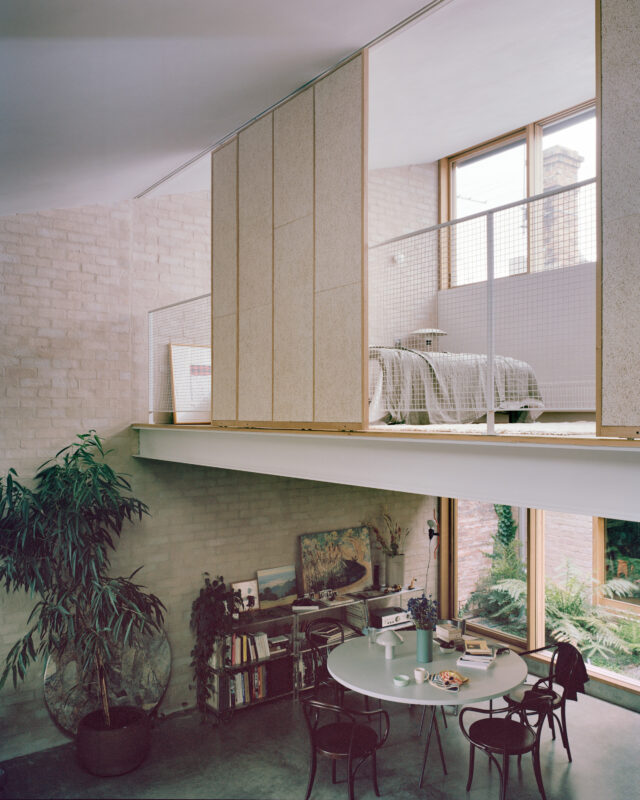
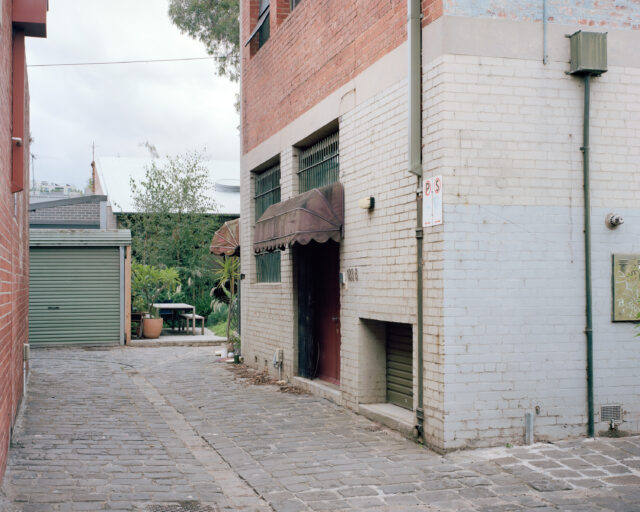
Carlton Cottage by Lovell Burton Architecture took out the House Alteration and Addition Under 200 Square Metres category. This reworked 1870s workers’ cottage is flexible to its occupants’ evolving needs by adopting a “loose fit” design approach that does not prescribe how each room is used. Large pivot doors and a sliding fence panel, allow domestic life to spill out into the garden and, beyond, to the laneway, cleverly increasing living space.
For more than a decade, the Houses Awards have championed the very best in Australian residential design and mapped the changing face of the Australian contemporary home. The diverse houses that make up this year’s winners show how the country’s best emerging and established designers are rising to meet complex briefs with skill, ingenuity and ambition.