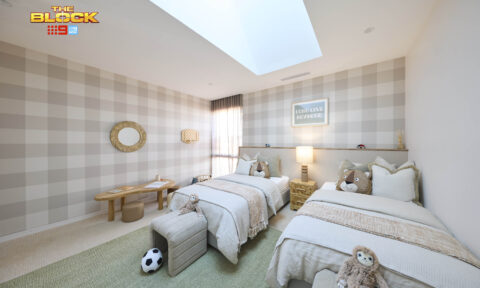
Many Australian parents are rethinking how they design their children’s rooms.
With ‘nursery room’ searches up by nearly 50% in Australia over the last year, parents are evidently ready to invest time and thought into their children’s spaces. But what actually makes a room supportive for children’s development?
According to Mary Ronis, a children’s interior designer with 21 years experience and a background in psychology, the answer lies in understanding how an environment shapes the developing brain; creating spaces grounded in attachment theory, sensory-conscious design, and emotional wellbeing.
Luxo Living’s product designer, Janice Wong, in partnership with Mary, unpacked the psychology behind designing rooms that genuinely support child development and practical design choices that mean parents don’t need to overhaul everything at once.
“Parents today are no longer treating children’s rooms as an afterthought or as purely aesthetic spaces,” says Janice. “Families now understand that how they design for children matters; it shapes how a child feels, how they sleep, how they explore and learn. The good news is that creating these spaces doesn’t require a complete redesign or a big budget.”
The psychology of sensory balance
According to Mary, a child’s nervous system is highly responsive to its environment.“Overstimulation through excessive colour, clutter, or harsh lighting can leave children disrregulated and anxious.”
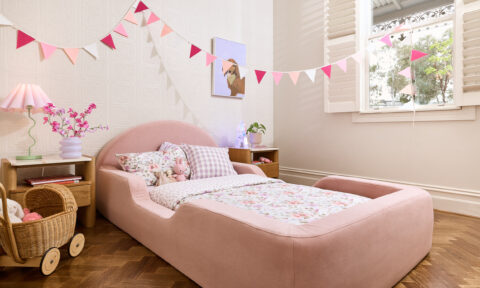
Yet under-stimulation misses critical developmental windows for sensory and cognitive growth. “The balance comes from intentional design. Soft colours, natural textures, and gentle lighting all work together to regulate the nervous system. Think of it as creating a foundation of calm, onto which you layer gentle sensory interest.”
Mary recommends using colour combinations that balance warmth with restraint:
- Blush, sand, and soft sage
- Buttercream, caramel, and soft taupe
- Warm oat, soft white, and muted olive
- Powder blue, ivory, and natural timbers
- Muted terracotta, clay, and warm beige.
Personalisation to encourage positive attachment and independence
“Children thrive when they feel safe and connected to a space. This can happen through personalisation and easy organisation,” explains Mary.
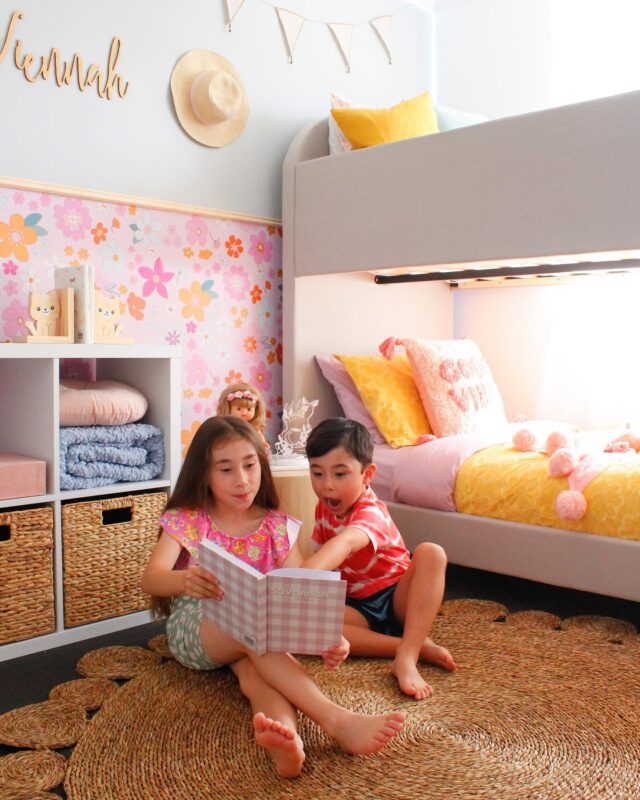
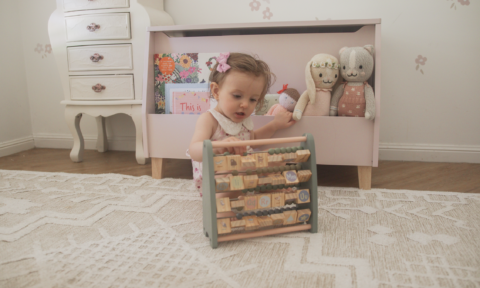
“Opt for a child-scaled design, such as accessible furniture and storage that lets them reach toys and books easily. This encourages independence and imagination. The room should feel like ‘theirs’.”
Explore shapes and patterns for visual curiosity
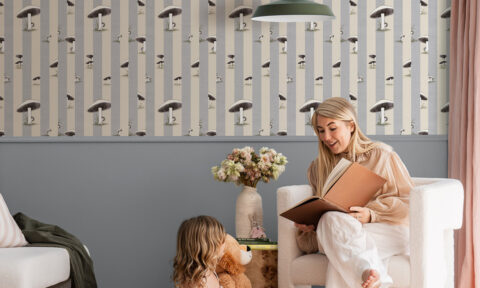
“For example, nature-inspired wallpaper patterns, soft stripes or dots, and wall art that draws the eye without overwhelming it”. Mary notes that scalloped furniture details and curved edges can also add visual interest while maintaining a sense of softness.
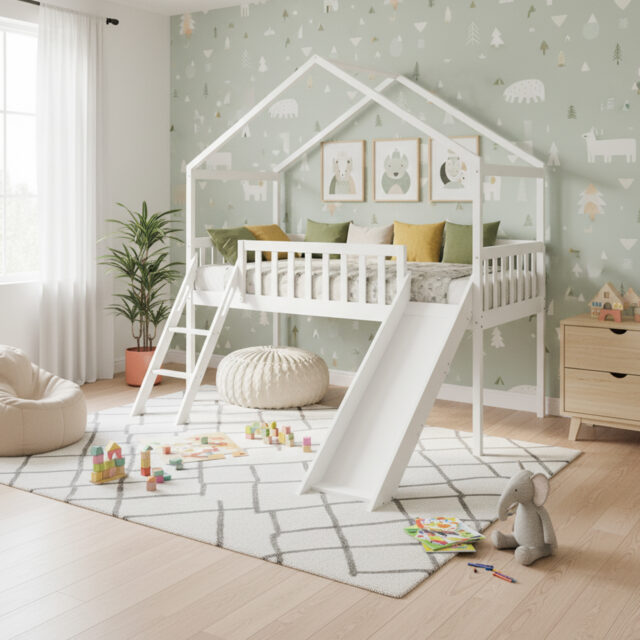
“Layer natural materials like linen, boucle, cotton, wool, and timber alongside soft rugs and cushions to invite tactile exploration. Handcrafted furniture with both hard and soft elements, plus cosy sensory corners, can give children safe ways to explore.”
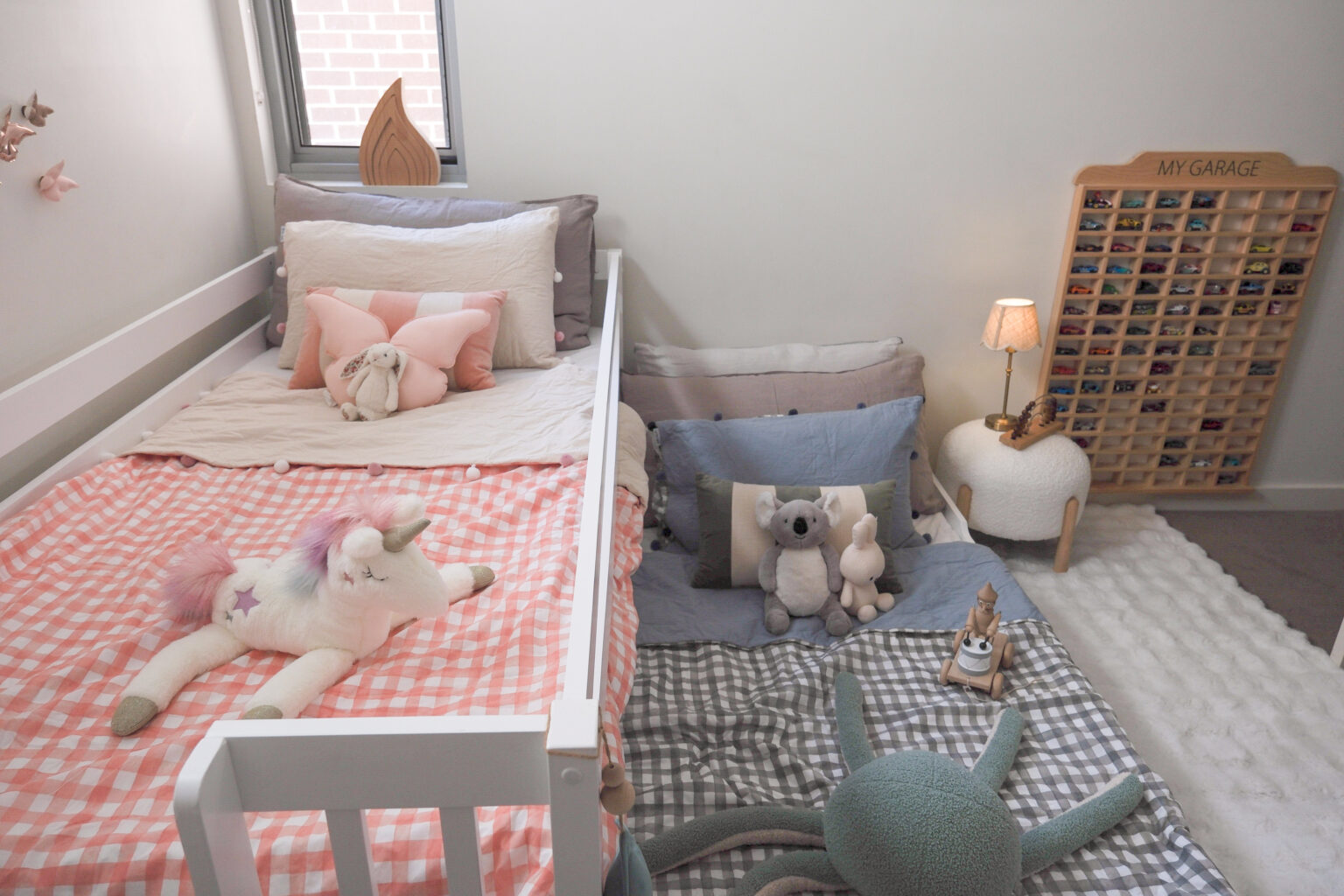
Use zoning to keep the sleep and play area separate
“As your child grows from baby to toddler, the room should shift from decorative to interactive,” says Mary. “Replace static decor with items that invite participation, like a small art wall, magnetic boards, and a corner to display their drawings. This can support identity formation and emotional expression.”
Sleep and play zones also become increasingly important as energy levels rise.
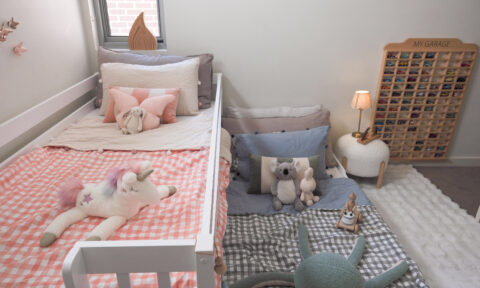
“A stimulating sleep area will actually hinder sleep patterns,” Mary warns. “Zoning allows you to maintain engagement in one area while keeping sleep space intentionally pared back.”
Practical, multipurpose furniture for a cost-saving approach
According to Mary and Janice, you don’t need a full and costly redesign to create a developmentally rich space.
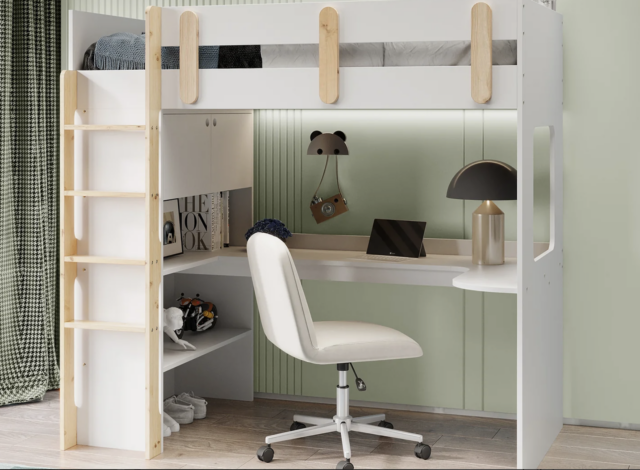
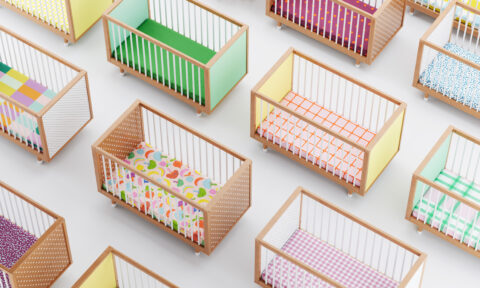
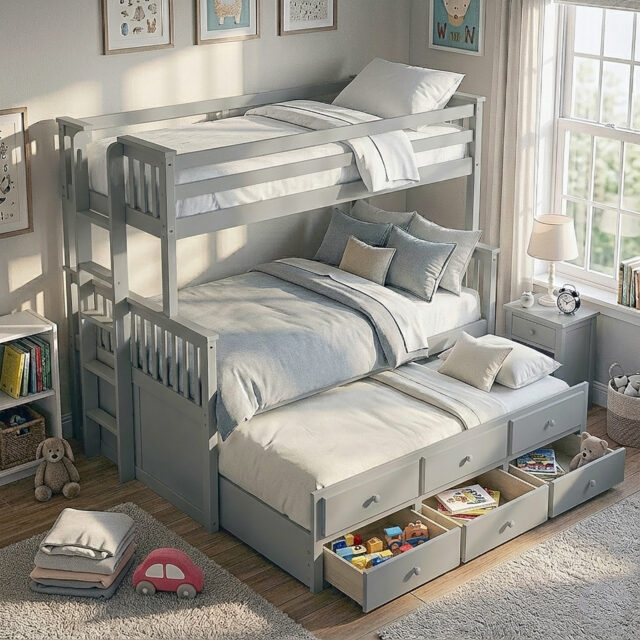
They recommend starting with multipurpose furniture like cots that convert to beds, as these are essential and used daily. From there, focus on practical storage solutions and adjustable tables that keep the space organised.
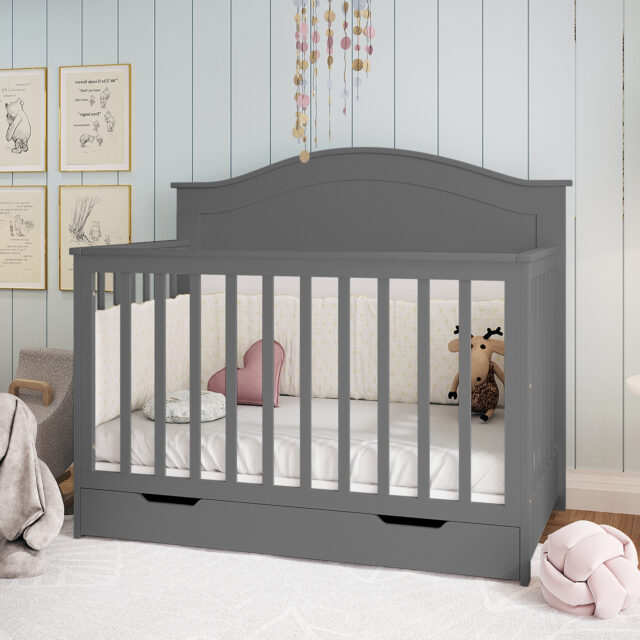
Rotate toys and books rather than displaying everything at once to keep the room feeling fresh and manageable.
Janice concludes with practical tips for making informed and confident purchasing decisions when furnishing a children’s room:
- Start with the biggest piece first: “Visualise the focal pieces in the room first, like a cot or bed. Once that anchor piece feels right, it becomes easier to judge how much open space remains and what else the room can comfortably accommodate.”
- Pay close attention to flow: “A furniture piece might fit the measurements, but if it blocks natural movement around the room, the space will still feel cramped. Look at walkways, corners, door clearance, and how easy it is to move around the room once the item is in place.”
- Use tools to assess visual weight, not just size: “A product can be the right size, but still feel too heavy for the room because of its shape, finish, or overall presence. Room visualisation tools can help you check whether a piece of furniture will feel balanced in the space before making a decision.”
Explore Luxo Living’s extensive baby and kids’ room range
-Luxo Living kindly gifted the gorgeous Hann Loft Bed (with installation service) to the Beukes family (friends of Interiors Addict) recently, after the devastating passing of husband and dad, Reinhardt Beukes, from cancer. If you’d like, you can support their GoFundMe here as Vanessa sets up a new home together with her girls. They’re loving the extra space this storage-packed bed gives them.