Among Australian adults, up to 40% report not getting the recommended seven-to-nine hours of sleep nightly, leading to widespread issues like insomnia and sleep apnoea*. These challenges are often compounded by common misconceptions about bedding, lighting and allergens.
Shannon Griffin, expert buyer at Pillow Talk shares the biggest bedding-related myths and practical, affordable ways to improve rest.
“A quilt with a higher loft is warmer.”
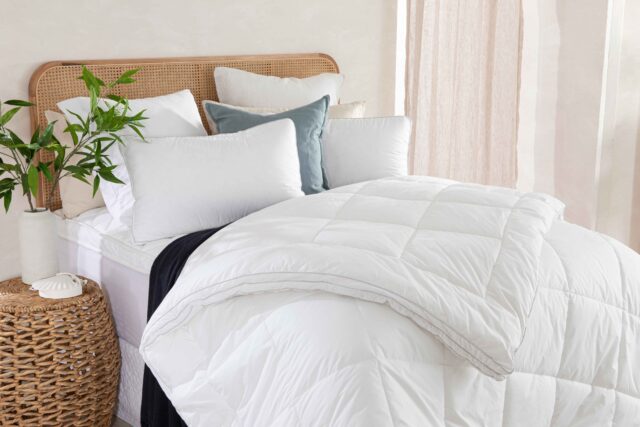
“Warmth depends on a bit more than just a high loft! GSM, insulation (fill) quality, construction, loft and how effectively it traps heat are all contributing factors to how warm a quilt is. A high loft is what gives the quilt height for that plush, hotel-like look,” says Shannon. “Pillow Talk’s Hotel & Home Superior 500gsm quilt delivers both excellent warmth and a luxurious, cloud-like hotel-style appearance.”
“Natural fibres are always better than synthetics.”
“What’s better depends on what your needs are,” she explains. “Natural fibres are breathable and comfortable, but if you’re looking for something that’s easy to care for or hypoallergenic then synthetic may be the right answer for what you need.”
“All pillows are basically the same.”
The right pillow depends on sleep position, firmness preference, material, and any neck or back issues. “We offer around 42 options, and our in-store team can help customers choose the right one based on their specific needs.”
Prep your brain for sleep with warm-toned lighting.
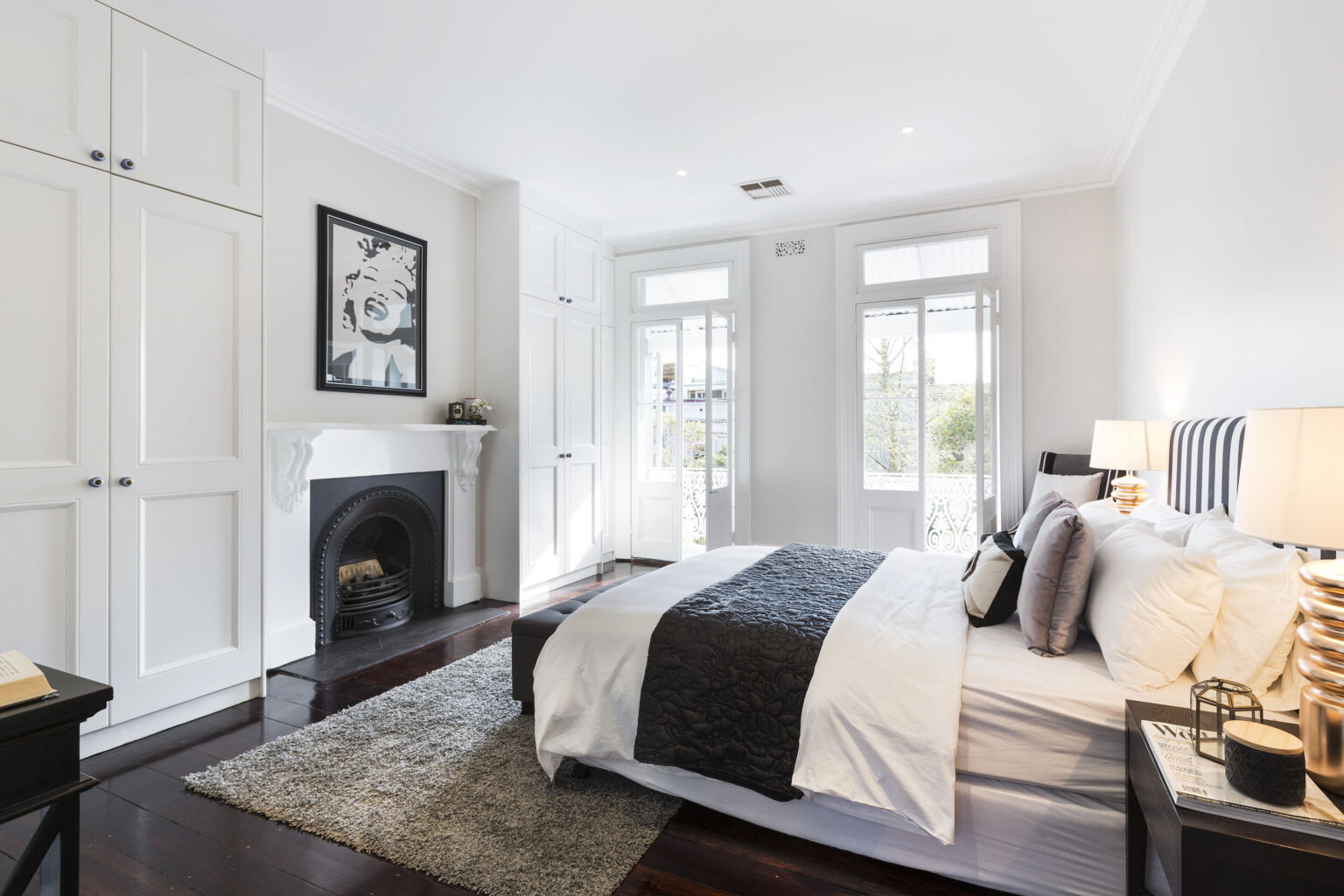
Shannon recommends warm-toned lighting in the bedroom. “Your body’s internal clock is very sensitive to blue light found in daylight and most cool-toned bulbs. Warm light, soft yellows, oranges, and amber tones, are closer to natural sunset light and signal your brain that it’s time to wind down and start producing melatonin naturally.”
Why 300-to-600 thread count is the sweet spot
“Thread count does matter to a certain point,” she explains. “A good range is usually 300-to-600, as that’s where you’ll get softness, durability, and breathability without that heavy, hotel feel. Beyond that, look at fabric quality: long-staple cotton provides durability, while bamboo cotton blends offer breathability and temperature regulation. The weave also matters: percale feels crisp and cool, while sateen gives a soft, silky hand feel.”
Some pillows need replacing every year
Investing in better sleep doesn’t have to mean buying luxury products. “Replacing an old pillow can make a huge difference. We suggest microfibre and down pillows every one-to-two years, memory foam every two-to-three years, and latex every three-to-four years. Adding a mattress topper is another smart upgrade. It’s far more affordable than a new mattress but can completely transform how your bed feels.”
Allergy-proof your sleep: Bedding choices matter.
During hayfever season, some bedding materials are better at minimising irritation. “Hayfever affects so many of us, and different people suffer different degrees of irritability,” Shannon says. “Bedding can’t cure allergies, but materials like our Greenfirst® Hypoallergenic range, treated with plant-based geraniol, help repel dust mites, mosquitoes, bed bugs, and other textile pests naturally.”
Why blockout curtains are better than blinds…
“Blockout curtains can make a pretty big difference when it comes to sleep, especially if you’re sensitive to light or trying to sleep during the day,” she says. “They’re designed to block out all outside light, sunlight, streetlights, headlights, all the stuff that can mess with your ability to fall or stay asleep. Studies have shown that even small amounts of light can throw off your melatonin levels, which tells your body it’s time to wind down. Keeping your room dark helps your body get into ‘sleep mode’ more easily.”