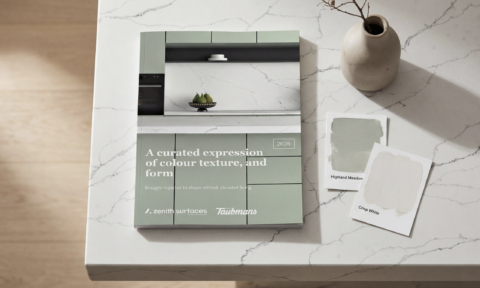
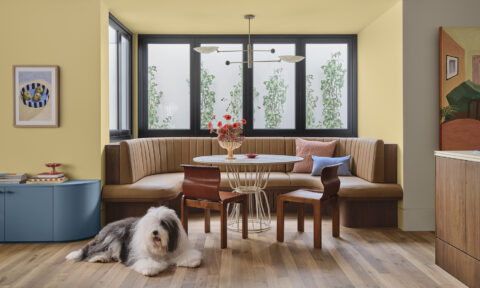
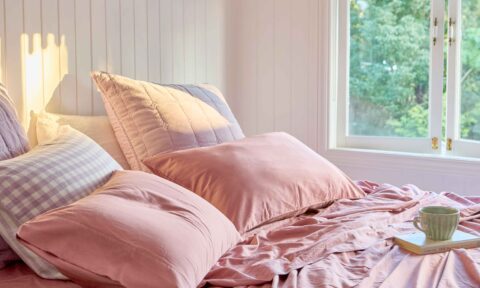
Trends move fast, but unfortunately your tiles, flooring, fittings and colours don’t. These finishes are the bones of your home and the choices you’ll live with for years. Paint can be updated in a weekend and tapware swapped out as styles evolve. But tiles and flooring are worth getting right today.
So how do you make choices that still feel right in five years? Anna Evstigneeva of The Inner Home, explains…
1. Don’t chase trends. Understand them instead.
There’s nothing wrong with being inspired by what is current but design trends move fast and what feels fresh and exciting today can feel tired in just a few years.
Instead of copying what’s popular, ask yourself why you’re drawn to it. Maybe you’re drawn to curved lines because they soften the environment around you or natural timber because it brings warmth and comfort. When you understand the reason behind your attraction, you can translate that feeling into something that will not date quickly.
The goal isn’t to avoid change but to build a foundation that is flexible enough to evolve over time.
2. Focus on texture and tone over colour
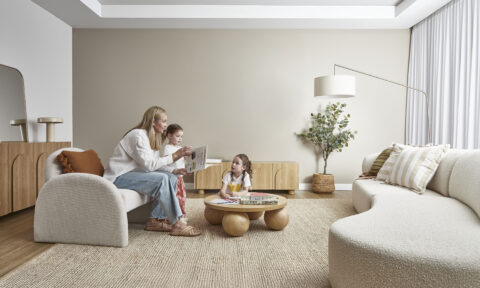
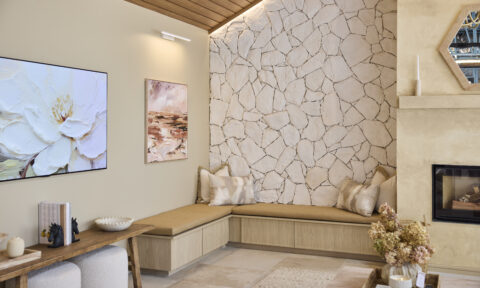
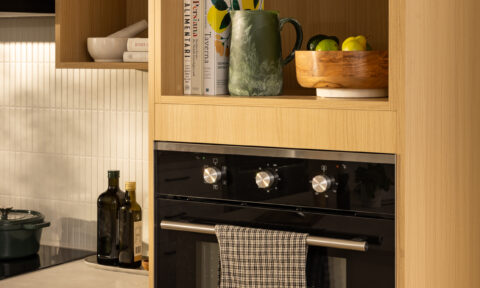
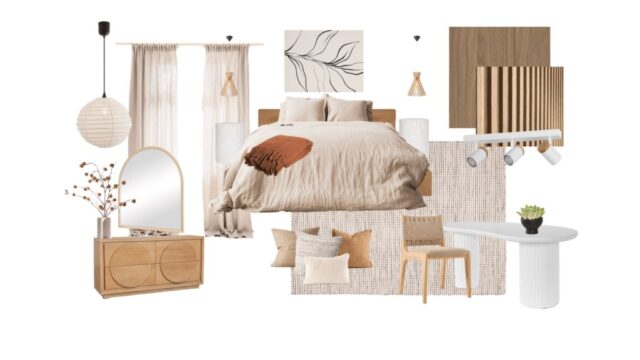
Colour trends change almost every year. One year it’s sage, the next it’s terracotta. One year it’s colour drenching and the next, it’s a feature wall. While paint is easy enough to refresh, natural textures and balanced tones remain timeless. Focus on texture and tone through materials such as oak, limestone, brushed brass, rattan and linen. These have depth and bring comfort without feeling heavy.
If you’re drawn to calm, try muted greys, chalky whites and natural stone with subtle variation. And if you like softness, curves and organic shapes in furniture or tiles can give that sense of ease without tying you to a passing trend.
When in doubt, let one material take the lead. For example a patterned tile, a textured benchtop or a statement light fitting but keep everything else around it simple. This will create balance and allow the eye to rest, which is key to longevity.
And remember, neutrals don’t have to mean safe. Layering warm and cool tones can add contrast and character without relying on bold colour. For example, pairing a pale oak floor with crisp white walls or warm beige tiles with brushed nickel tapware.
3. Pick your palette as a whole
One of the biggest mistakes homeowners make is choosing finishes in isolation. You might fall in love with a tile one weekend, a benchtop the next and a wall colour later, only to realise they don’t quite work together once installed.
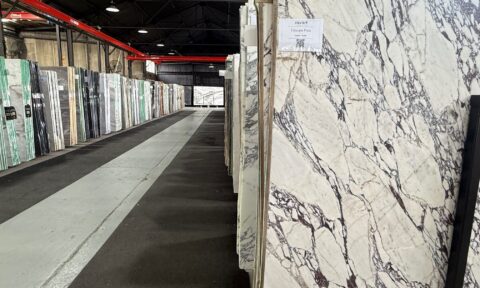
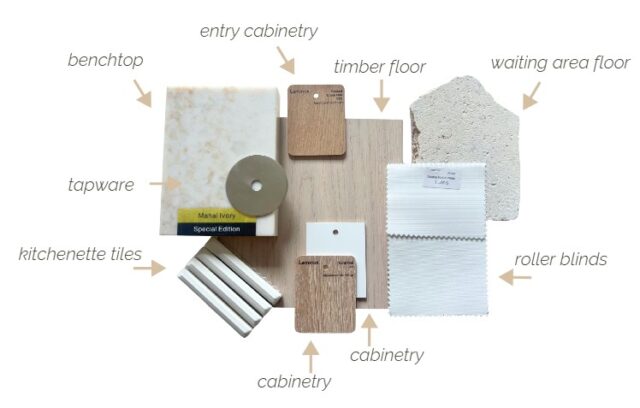
Design works best when you look at your finishes as a complete story. Gather all your samples and take them home to view them in natural and artificial light. Lighting in showrooms is never the same as yours at home. Natural light, time of day and even orientation of the home all influence colour and tone more than you would expect.
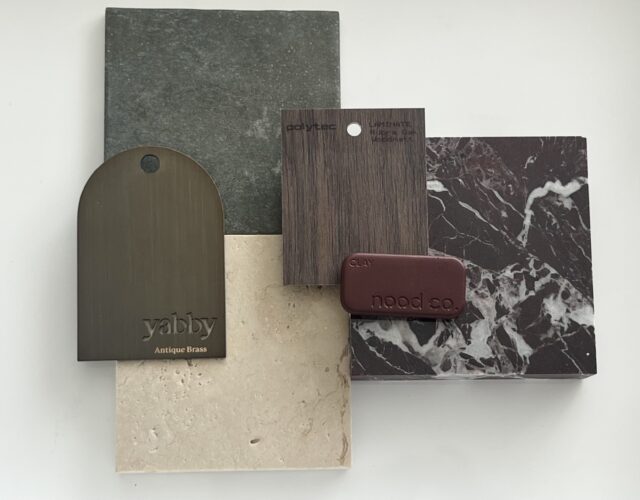
Next, lay all your samples out side by side in natural light and see how they speak to each other. You’re looking for harmony in undertones, texture and mood, not for everything to match perfectly.
Take photos of the samples together on your phone, then look again later, maybe after dinner or the next morning. Stepping back with fresh eyes often helps you spot subtle clashes or imbalances you might have missed in person.
Design Tip: If your flooring has a warm undertone, keep your paint and joinery in a similar family so it feels cohesive. If your benchtop is veined or patterned, balance it with more subdued tiles or wall colours so it remains the hero.
4. Invest in flooring and tiles
Your flooring and tiles set the tone for your entire home, a backdrop that everything else builds upon. These are the finishes you’ll live with the longest so it’s worth investing in quality materials. Think natural timber, stone or classic porcelain in soft, neutral tones that won’t date.
Flooring especially has a huge influence on how your home feels. Wide oak boards or lightly textured tiles create warmth and character, while smoother, cooler tones can feel calm and minimal. Whatever you choose, stay consistent. Try to limit your flooring to two or three finishes throughout the home. Use the same material for rooms of a similar type; for example, one tile for all wet areas and one timber finish for living zones. This helps spaces feel connected and cohesive rather than visually broken up.
Always consider your environment too. Humidity, temperature and foot traffic all affect how materials perform. For example, in humid or coastal areas, porcelain tiles or engineered timber is better suited than solid hardwood due to having better ability to handle both humidity and temperature variations. In cooler climates, wool carpet can add warmth underfoot. Homes with lots of sunlight benefit from UV-resistant finishes such as porcelain tiles, hybrid flooring with UV-stabilised coatings or engineered timber sealed with UV-cured polyurethane to help prevent fading and discolouration over time.
Then, think about your lifestyle. If you have kids or pets, it is important to select durable, easy to maintain and forgiving materials. Vinyl or hybrid flooring resists scratches better than real hardwood flooring, while textured tiles hide dirt and marks better than polished ones. Mid-tone timbers disguise pet hair and dust more effectively than very dark or pale floors. And washable, low-sheen paint finishes on walls make life much easier in high-traffic areas.
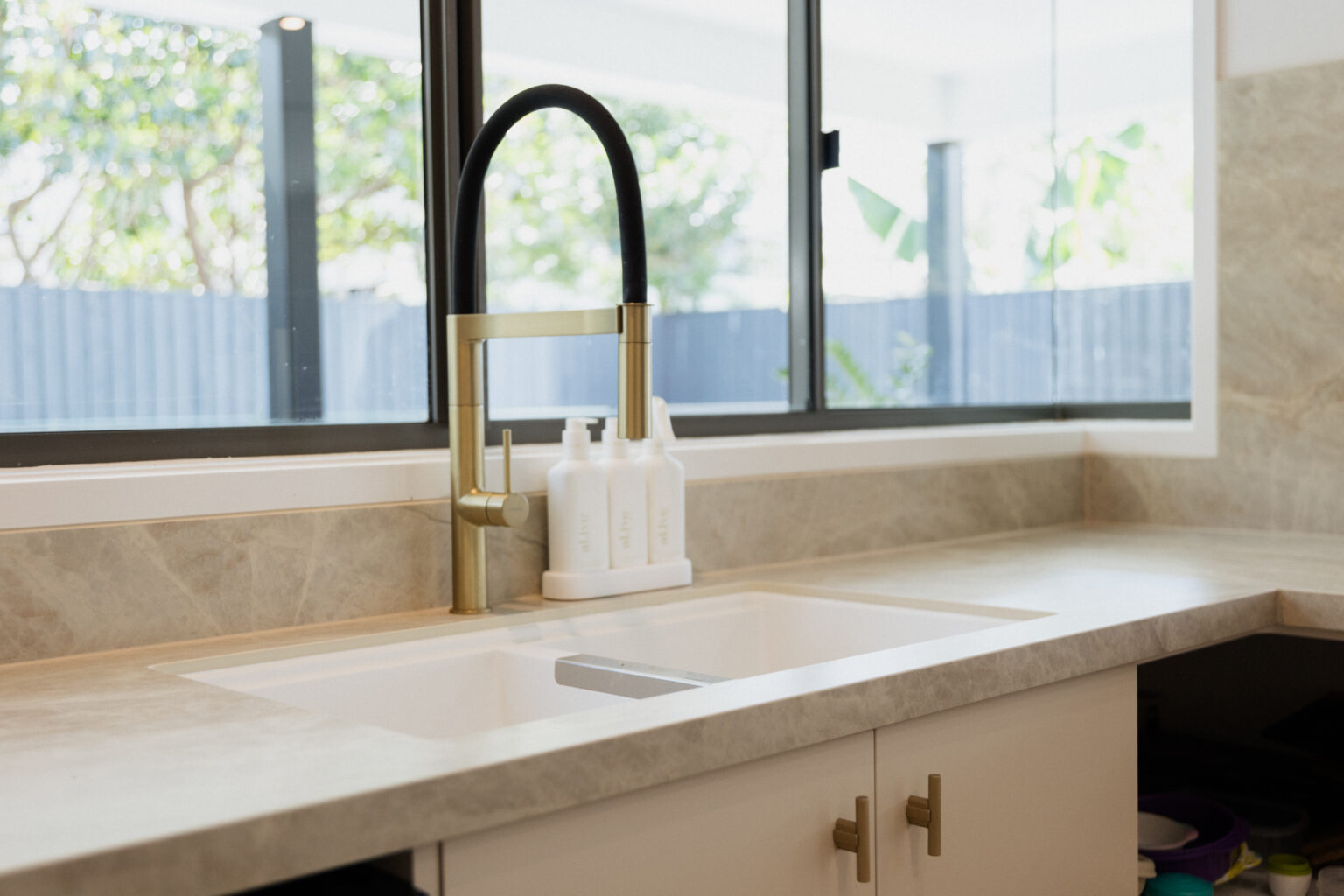
Tapware, paint colours and lighting can be updated over time if your taste changes. The goal is to get the permanent pieces right and keep the rest flexible.
Design Tip: If you’re unsure where to spend versus save, prioritise the surfaces you touch and see every day such as floors, tiles and benchtops. They anchor the space and set the tone for everything else.
5. If possible, let natural light guide your choices
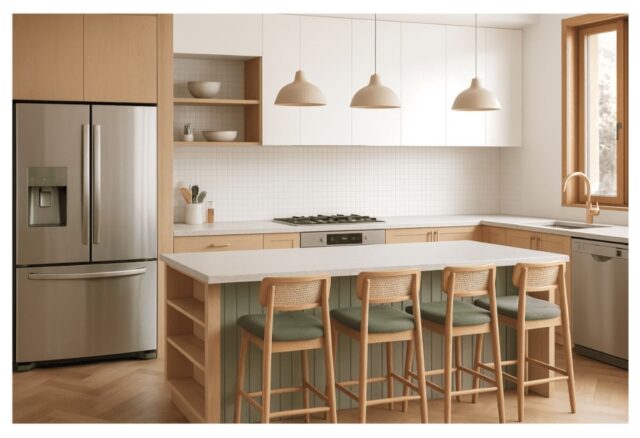
Light has more influence on finishes than most people realise. The orientation of your home completely changes how colours and materials appear throughout the day.
South-facing rooms often need warmer tones to offset cooler light, while north facing spaces can handle greys, crisp whites and cooler neutrals. Morning light tends to be soft and blue, while afternoon light brings a golden warmth that change how colours look. Even artificial lighting can significantly alter the overall mood of a space.
Because of this, always test your finishes in different lighting conditions. Move your samples around to different rooms and view them in the morning, afternoon and evening. You’ll notice undertones shift in ways you wouldn’t expect, for example, a white that looked clean in the store might suddenly feel pink or grey once you’re home.
Design Tip: When testing paint, always paint a large swatch of your chosen colour directly on the wall rather than relying on small paper swatches. It’s the only way to see how the colour truly behaves in your home’s unique light.
6. Trust your gut (but get a second opinion)
Sometimes you just know when something feels off. Maybe that tile you loved in the showroom suddenly feels too bold or the colour that looked interesting online doesn’t feel right in your space. That hesitation matters, so trust it. Good design is about noticing those small reactions and following through. When in doubt, seek guidance from a professional such as an interior designer, for a second opinion. The choices you make with both heart and reason are the ones that stand the test of time.
7. Save trends for the small things
Trends have their place but just not on the biggest surfaces in your home. Instead of committing to bold colours or shapes in tiles and joinery, bring trends in through elements that are easy and inexpensive to update.
Paint colours, hardware, soft furnishings and décor can all shift with your taste over time without the cost or disruption of major changes. A simple refresh can make your home feel current again while keeping your foundations timeless.
The takeaway
In the end, the best finishes are the ones that feel like you. Think about how you live, what brings you comfort and what you’ll still love long after the trends have faded. And if you ever find yourself unsure and in need of a second opinion, we’re here to help you figure it out!
Contact Anna at The Inner Home or follow her on Instagram