The hidden cost of bad renovations: A property expert warns Aussie homeowners of ‘trendy’ choices that could slash $36,000 off home value.
More than one in three Australian renovation regrets are driven by high-maintenance design choices, according to new research by Cooper & Co., with some trend-driven upgrades potentially shaving up to $36,000 off a home’s resale value.
In new insights from property strategist and buyer’s agent, Rasti Vaibhav, major renovation regrets carry the biggest financial risk, while some minor design modifications can still contribute to value erosion.
By conducting a Reddit sentiment analysis, Cooper & Co. uncovered Australians’ biggest home renovation regrets and teamed up with Rasti to estimate how much these design decisions could knock off house prices and why.

The study found 34.8% were linked to high-maintenance finishes, 24.6% stemmed from functionality issues, and 16.3% were tied to being aesthetically outdated.
In a market where affordability pressures remain high and buyers are evaluating properties more intricately, Katherine Stanley, head of homewares at Cooper & Co. notes that even simple cosmetic decisions could be directly influencing sale price outcomes.
“It’s easy to get swept up in a design trend that looks great from a styling perspective,” she says. “But what feels fresh today can feel tired surprisingly fast. As a homeware and furniture brand, we see how quickly design cycles move. When a space leans too heavily into a short-lived trend or high-maintenance finish, it can lose its sense of longevity.
“Taking a more considered and intentional approach, and choosing finishes that balance style with practicality, help ensure a home feels current for longer while also protecting its long-term value.”
Among the most significant home value risks identified were poor-quality laminate flooring, certain tile choices, open-plan layouts, and trend-driven finishes.
“In today’s market, buyers are calculating risk at inspection. If something looks high maintenance, dates quickly, or feels expensive to fix, they are not just noticing it; they are pricing it in,” says Rasti. “Avoid renovations that create buyer uncertainty.”
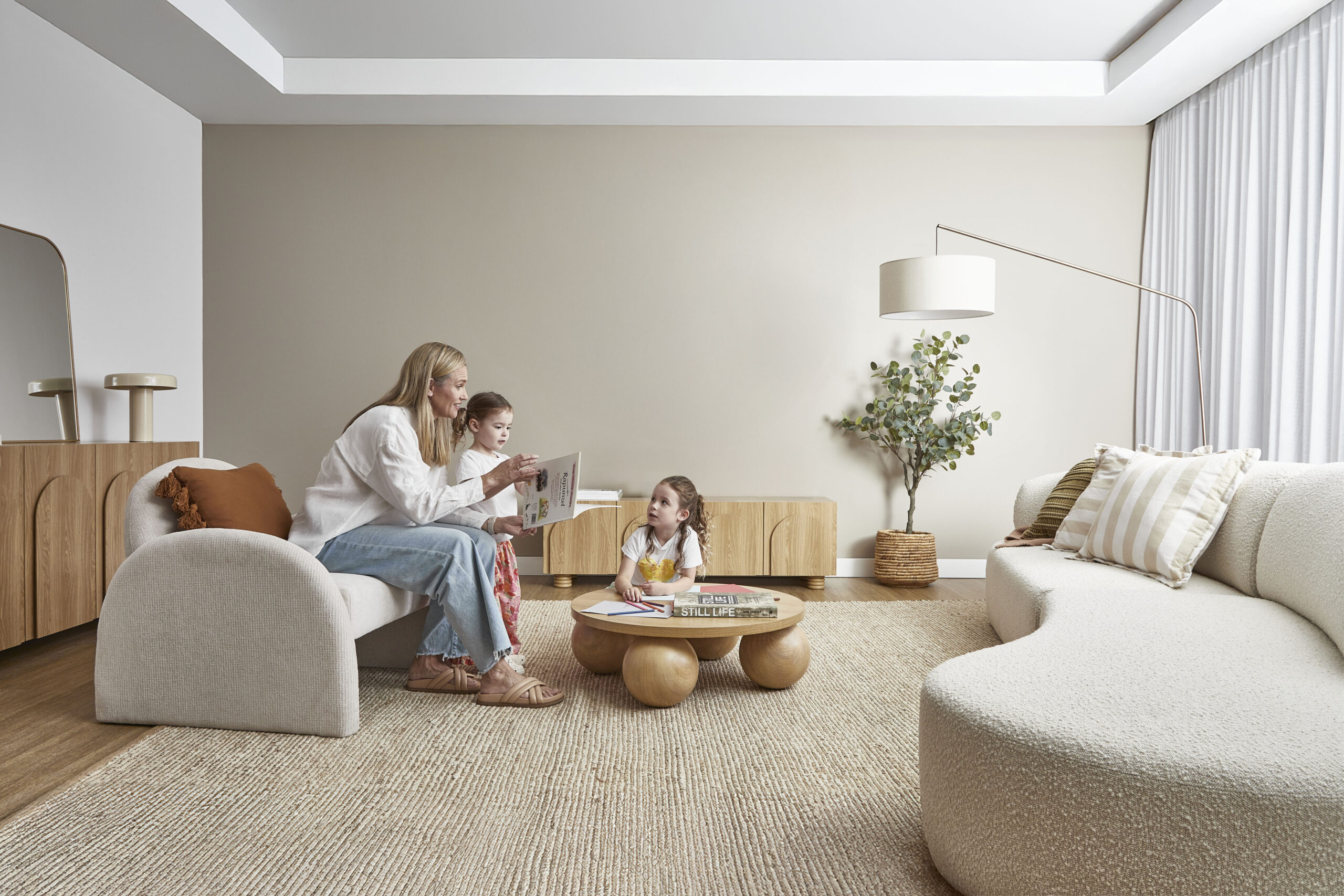
The renovation mistakes costing Australian homeowners thousands in value:
Laminate flooring
Estimated erosion: $18,000 to $36,000 on a $1 million home.
Rasti says poor quality laminate flooring carries the highest potential value impact, and can reduce perceived value by two to four percent based on market conditions at the time of interview.
“Flooring has one of the largest visual surface areas in a property and can set the tone at inspection,” says Vaibhav. “And laminate can visually signal ‘cost-cutting’ renovation. If it sounds hollow, shows edge swelling or scratches easily, buyers immediately anticipate future replacement costs. If the floors feel temporary, the entire home can feel less substantial.”
To help preserve the value, hybrid flooring, engineered timber or quality vinyl plank flooring in neutral tones and matte finishes can deliver broader buyer appeal and stronger long-term durability.
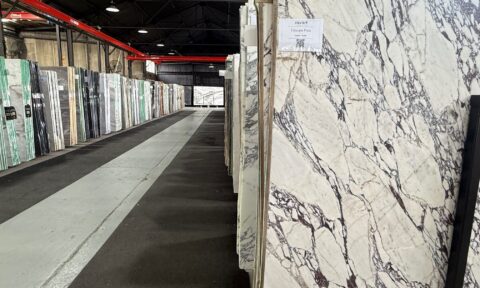
Marble benchtops
Estimated erosion: $10,000 to $30,000 on a $1 million home
While marble aligns with expectations in prestige properties, in many mid-range homes, it can feel impractical, especially in high-use kitchens. Rasti warns that it can narrow buyer appeal in mid-market Australian homes, impacting price by one to three percent of the total property value, depending on the price bracket and current market conditions.
“Marble is visually luxurious, but it’s porous and prone to staining and etching,” says Rasti. “In family homes, buyers prioritise durability and low maintenance over aesthetic prestige. If the surface shows wear, they mentally factor in replacement costs and inconvenience.”
Porcelain slabs, compliant engineered stone alternatives, or high-quality quartz surfaces can offer similar visual appeal but with greater durability.
Open concept layouts
Estimated erosion: $10,000 to $30,000 on a $1 million home
Open-plan design remains common. But poorly executed open concepts with a lack of privacy or acoustic separation could slash value by one to three percent in family-oriented suburbs.
“The value risk is highest when open plan reduces the home’s ability to serve multiple lifestyles,” says Rasti. “Many buyers now want flexibility. Rooms they can close off for work, study or control noise levels. If the layout limits that flexibility, demand narrows.”
Trends are now shifting toward a ‘broken plan’ concept. He recommends building definition through partial walls, archways, sliding doors, or changing ceiling height to create defined zones without sacrificing light.
Dark finishes and black surfaces
Estimated erosion: $5,000 to $24,000 on a $1 million-to-$1.2 million home
Black countertops and dark floor tiles can be divisive, particularly in homes lacking natural light. Water marks, fingerprints, and dust visibility can amplify the perception of high maintenance and could impact value by 0.5 to two percent on estimate.
“Buyers pay for how a home feels. If it feels dark or cramped, even subconsciously, they adjust their offer,” says Rasti.
Use black tiles as an accent rather than a dominant floor finish. Alternatively, choose dark grey or charcoal tones with textured finishes, and when paired with good lighting, they can help balance and lighten the space.
Trend-led tiles and intricate finishes
Estimated erosion: $5,000 to $20,000 on a $1 million home
Highly specific finishes, such as penny round tiles or heavy grout detailing, may look striking at installation but can age quickly, influencing perceived value by around 0.5 to two percent on estimate.
“The more specific a design choice, the more it narrows your buyer pool,” Rasti says. “What feels bold today can feel costly to reverse tomorrow. Intricate finishes and textures are harder to keep clean and appear visually busy, meaning higher maintenance and more opportunity for discolouration over time.”
Use detailed tiles and finishes sparingly as a niche detail, and pair them with larger format tiles with minimal grout contrast for longer-term resale flexibility.
Minor details, cumulative impact
Smaller features, including open shelving, white grout, matte black tapware, and worn white cabinetry, were also among the most common regrets identified in the Reddit analysis. According to Rasti, while these rarely alter valuations directly, they can contribute to cumulative buyer hesitation.
Rasti’s overarching advice is to design in layers. “Keep permanent features like floors, benchtops, tiles and layout broadly appealing. Add personality through items that are easier and cheaper to change later. That approach protects both lifestyle and resale value.”
For more on online homewares store Cooper & Co. | For more on Rasti’s Get RARE Properties.


Comments
I guess it all comes down to how long you expect to be in a home. If you are planning to sell in the next few years, yes- these suggestions sound reasonable. If however you are going to live in the home for awhile, then I say put the finishes in that you want now. If you get sick of them or something changes and you want to sell, change them out, re-paint, or prepare your home for the market when that happens.