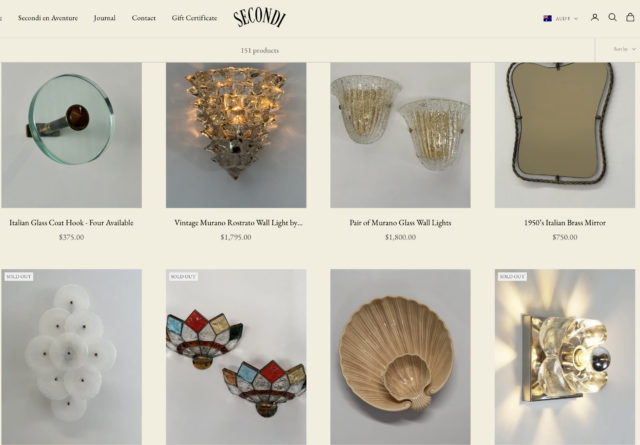
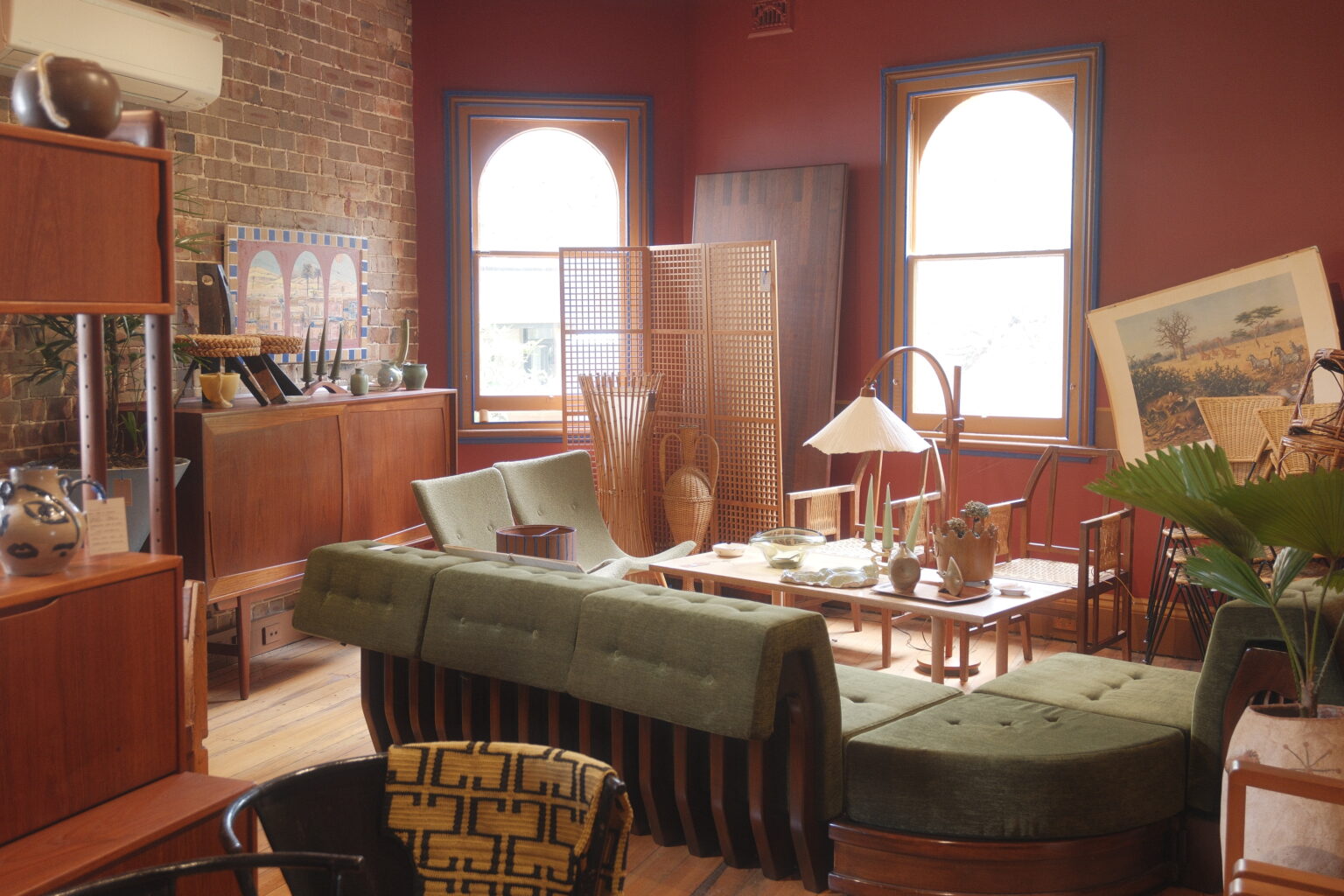
When most of us were holed up at home, juggling work with school schedules, learning to make bread and becoming too efficient with Zoom, Emma Lunn launched SECONDI, a specialist in curated 20th century vintage objects. What started as an operation scouring Facebook Marketplace for the perfect gift for her mum, is now a thriving global business that sees her travel to Europe several times a year.
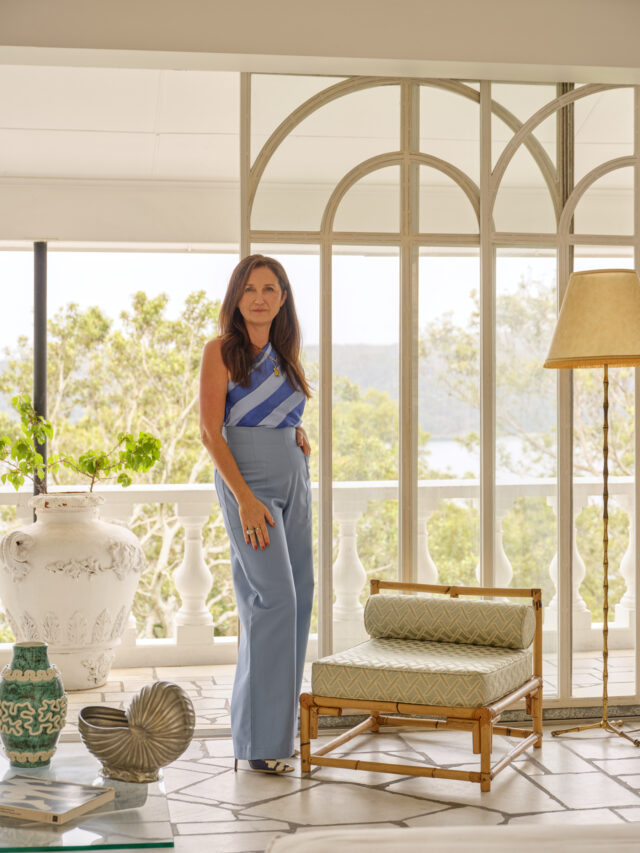
With an eye for beauty and a penchant for travel, Emma put her background as a retail buyer and stylist into play to create a business that celebrates provenance and history, creating homes that are storied and full of life.
Tell us about SECONDI. What do you do, and how did SECONDI get started?
“SECONDI is a curation of all of the unique and beautiful vintage furniture and objects that I source on my travels through France and Italy. I’m particularly focussed on authentic and interesting design from the mid-20th Century.
SECONDI grew organically from a forced career shift during COVID. I had always collected vintage pieces and grew up surrounded by antiques as my family has a long history of dealing in vintage, both furniture and clothing. It’s a bit of a long story – my brother and I were searching for a specific piece of furniture for my mother’s 70th birthday. We sourced it but it came as a set and we only wanted the one piece. We kept that one piece as a birthday gift. My brother then restored some of the other pieces and then sold them at a profit.
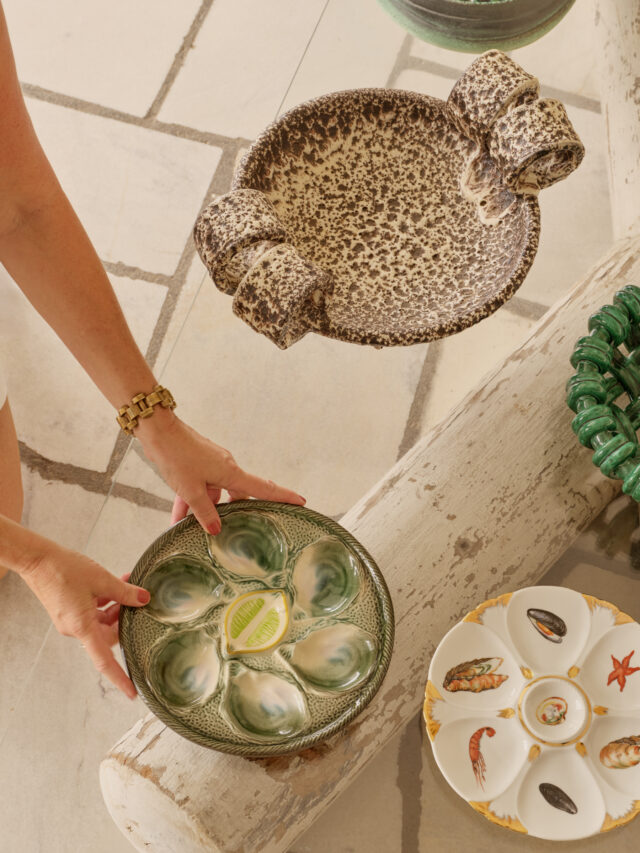
“I was not working at the time, due to COVID restrictions, and it occurred to me that I could turn my interest in vintage furniture and markets from a hobby into a job while I waited for things to return to normal. I started sourcing pieces locally in Sydney and selling them, and discovered a real appetite for vintage within the Australian market. I then experimented with a few vintage objects that I had sourced from overseas dealers and realised there was an even greater appetite for vintage Italian and French items. Five days after the borders reopened and international travel recommenced, I was on a plane to Paris and Italy where I began my next journey into sourcing in those markets. I’ve never looked back!”
You’ve spent years building relationships with dealers across France and Italy. How did you build that network, and what kind of access does it give you that the average buyer wouldn’t have?
“Developing this network of dealer relationships has required a significant investment of time, money, and regular trips to Europe. I return to the same markets and fairs at least two to three times a year; consequently, the dealers you meet become confident that you are a serious buyer and they learn to trust you and know your taste.
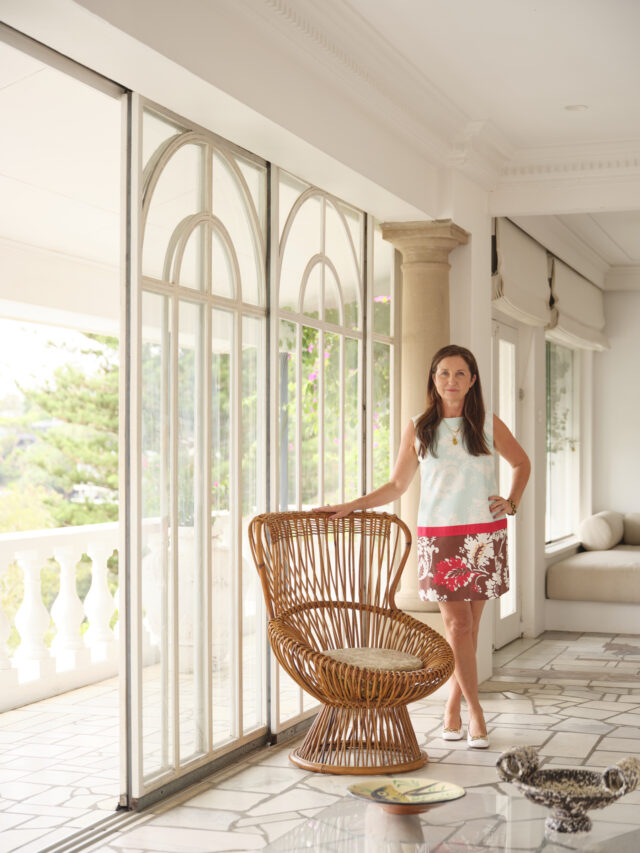
“These relationships mean that most mornings I will wake up to many many images that have been sent to me overnight from dealers who have items they think I might be interested in buying. It also means that when I am in Europe I am invited to their homes and warehouses, which gives you access to so many more items than what you will see them selling at the markets. It’s about building strong relationships and trust – the same applies to most businesses.”
Got any tips on what to look for when buying vintage, to ensure quality and authenticity?
“Where possible, it’s best to view items yourself before buying. Vintage pieces are undoubtedly higher quality than those made today, but they do show signs of age and patina. It’s always good to ask if there are any original maker’s marks or labels, although very often these will have worn off over time, or may have been reupholstered over in the case of armchairs and sofas. Otherwise, sourcing from someone who has built the knowledge and expertise over years can provide the assurance – they’ve done the hard work for you.”
Can you recommend particular materials or finishes that age well, or are worth seeking?
“Timbers such as oak and elm always age beautifully. Bamboo, when looked after, develops beautiful warm tones. Murano glass, particularly items made by great producers like Mazzega and Barovier, are just so beautifully made. The craftsmanship is difficult to replicate.”
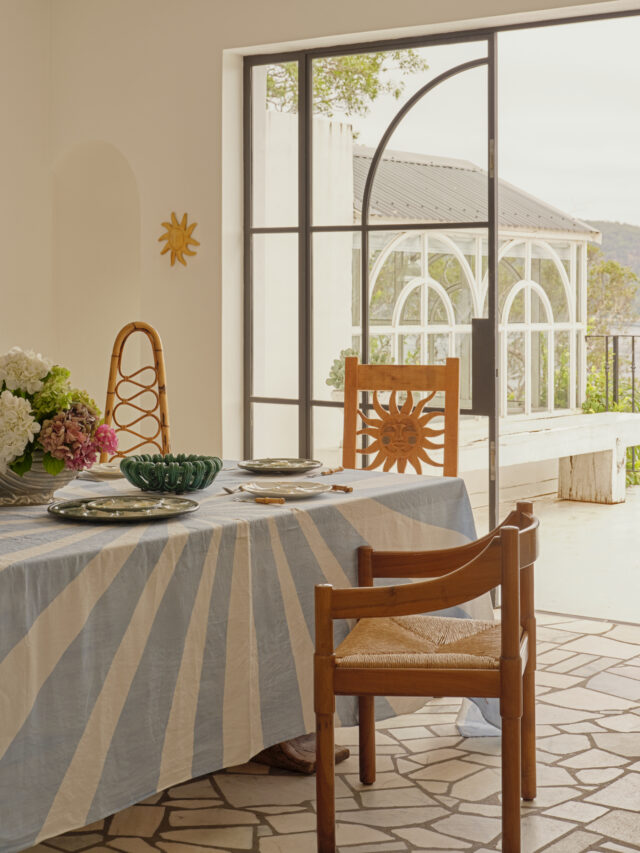
For someone who loves the idea of vintage, but doesn’t know how to incorporate it into their home, what’s a good starting point?
“Objects such as mirrors, vases, table lamps and wall lights are such a versatile and easy way to start incorporating vintage pieces into your home. They are easy to place in various rooms, and move around the house to find the perfect spot. They don’t have to be a large investment, and will add a level of uniqueness and interest that is difficult to achieve when buying contemporary, mass-produced items.”
When mixing vintage with contemporary pieces, what are some mistakes people make?
“I like to think that there are no mistakes – if you love something you should have the confidence to follow your instincts. My other tip – if you see something you love, buy it! Pieces move so quickly, you can’t be guaranteed you’ll see them again.”
We’re seeing a shift from minimalist, neutral interiors towards warmer, layered, lived-in spaces. What is driving that? Do you think that shift will last?
“I love seeing homes that are interesting and layered. I often reminisce about visiting my friends’ parents’ houses when I was a teenager and how they were much more interesting than a lot of homes seem today. They were authentic, lived-in homes with pieces collected over years and were not driven by trends. Your home is the one place you can truly be your authentic self, so I think it’s only natural that people want this place to feel lived in and real, not a curation of stylised pieces. I hope it continues!”
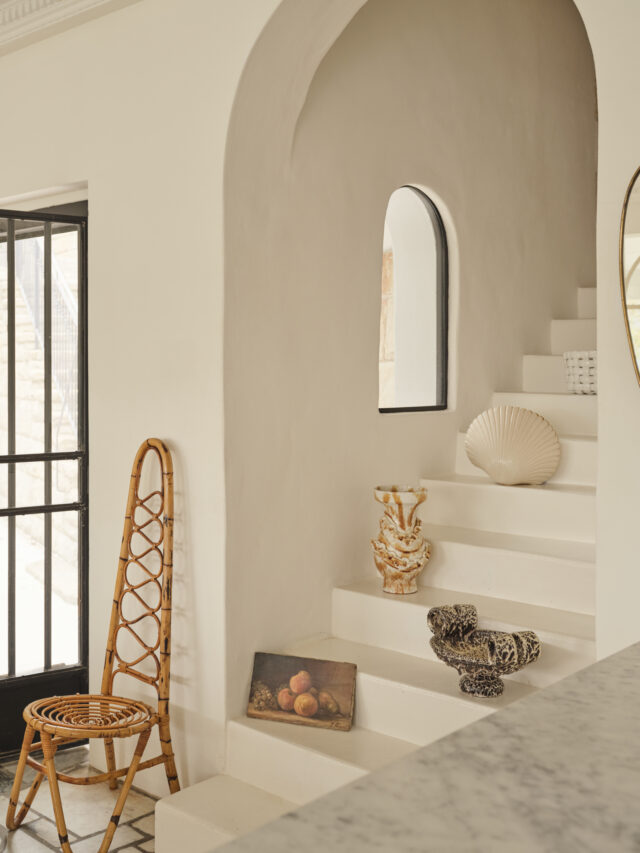
What’s the most exciting piece you’ve uncovered on a sourcing trip?
“There are quite a few pieces that come to mind, but I think the most exciting for me is a 1950s Italian ceramic mirror by La Farnesiana. It’s so incredibly beautiful and something that I have rarely seen before.”
Is it hard to let go of the pieces?
“I struggle to let go of many of the pieces I source. I buy the things that I love and that speak to me, as opposed to buying according to trends. As a consequence, I could easily keep most of what I buy. If I had the space at home, I would keep more. Luckily, my husband is not a fan of clutter, so this keeps me from taking everything home with me!”
Tell us about Secondi en Aventure. What can guests expect from the experience?
“I’ve been travelling to the South of France for five years now and I lived there for 12 months throughout 2024. Over this time, I developed such a strong affection for the region and its artistic history, I really wanted to open that up to people who share my love of art, architecture and of course antiquing! The tours are designed to highlight the uniqueness of the Cote d’Azur and Provence and to share highlights in terms of design and sourcing.
“I’ve created my dream itinerary. Every moment of the tours has been organised to maximise beauty; from the ateliers we visit, to the incredible accommodation and of course the brocantes and antique centres where we will be sourcing. At the end of the trip, I facilitate the shipping of goods back to Australia, giving tour members the opportunity to purchase and secure pieces that they would not normally be able to access without major expense.”
If trawling brocantes (never mind the plane ticket and the jetlag) or scrolling Facebook Marketplace isn’t your thing, SECONDI receives regular drops throughout the year.
Discover Secondi’s latest arrivals and learn more about Emma’s tours.
Photography by Jacqui Turk