Australians are increasingly bringing wellness into their homes, and the bathroom is emerging as one of the most important spaces for creating a sense of calm and restoration.
According to recent search data, global TikTok searches for ‘home spa ideas’ increased by 119% over a 24-hour period alone (June 2026), whilst ‘wellness room at home’ increased by 83% during the same period, reflecting the growing consumer demand for homes that support wellbeing and encourage moments of relaxation throughout the day.
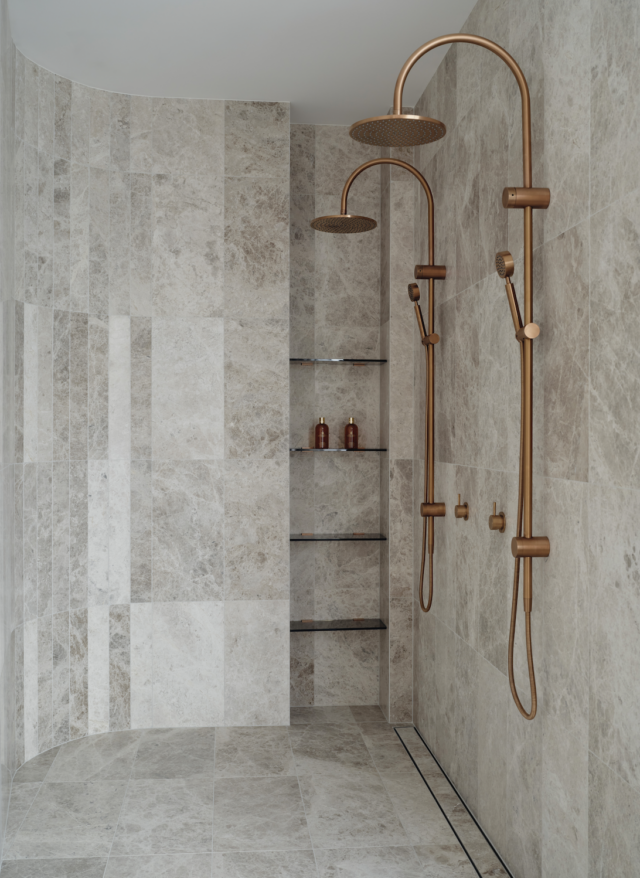
While wellness once centred around gyms, spas and luxury retreats, many homeowners are now looking for ways to recreate those experiences at home. Rather than undertaking costly renovations, many are turning to simple styling and design changes to transform everyday spaces into personal sanctuaries.
For Cayley Scrooby, interior stylist at Sovereign Interiors, the bathroom is often the easiest and most effective place to start. “The bathroom is where many of our daily rituals already take place, whether that’s getting ready for the day, enjoying a bath or winding down in the evening,” says Scrooby. “Because it’s already associated with self-care, small changes can have a significant impact on how the space feels.”
The shift also reflects growing popularity in lifestyles centred around slow living and wellbeing. Concepts such as the Scandinavian philosophy of hygge, which embraces comfort, warmth and contentment within the home, have encouraged people to think differently about their surroundings and how they support everyday wellbeing.
With a few thoughtful updates, homeowners can create a spa-like atmosphere that feels luxurious, calming and restorative, without picking up a sledgehammer.
Why the bathroom has become the wellness hub of the home
While wellness design can be incorporated throughout the house, Scrooby says the bathroom is often the easiest place to start.
“The bathroom is already associated with self-care and daily rituals, making it the natural foundation for a wellness-focused space,” she explains. “Small changes can completely transform how the room feels, without the need for a major renovation.”
Unlike kitchens or living rooms, creating a spa-inspired bathroom often relies less on structural changes and more on thoughtful styling, sensory elements and intentional design choices.
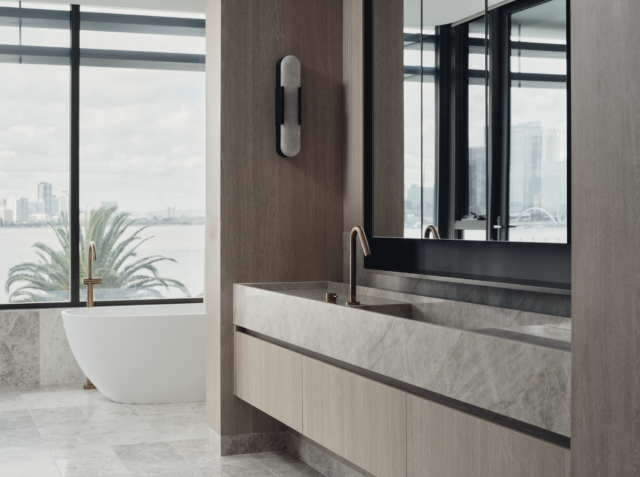
5 expert tips for creating a spa-like bathroom at home
Cayley gives her top tips on the small changes you can make to recreate a spa-like experience within the comfort of your own home.
- Layer your lighting
Lighting plays a significant role in shaping how a space feels.
“Many bathrooms rely on a single overhead light, which can feel harsh and clinical,” says Scrooby. “Introducing softer, layered lighting can instantly make the room feel more relaxing. Wall sconces, dimmable lighting and warm-toned bulbs can help create a calmer atmosphere, particularly during evening routines when people are looking to unwind before bed.”
- Bring nature indoors
Natural materials remain one of the most effective ways to introduce a sense of calm.
Scrooby explains: “Timber accessories, stone finishes, woven baskets and linen towels can soften a bathroom and create a stronger connection to nature. Indoor plants can also contribute to a more restorative environment while adding texture and visual interest.
“We naturally respond to organic materials because they feel grounding and familiar. Even small additions can make a space feel more inviting and less functional.”
- Reduce visual clutter
One of the defining characteristics of luxury spas and wellness retreats is their sense of simplicity.
Rather than overcrowding surfaces with products, Scrooby recommends editing what is on display and investing in practical storage solutions where possible.
“A clutter-free environment can have a surprisingly positive impact on how a space feels,” she says. “When visual distractions are reduced, the room immediately feels calmer and more intentional.”
- Add simple yet luxurious finishing touches
Wellness design is ultimately about enhancing everyday experiences.
“Simple touches such as plush towels, a bath tray, beautiful soap dispensers or a carefully selected robe can make daily routines feel more luxurious.” says Scrooby.
“The goal isn’t necessarily to recreate a five-star resort, It’s about introducing small details that encourage you to slow down and enjoy moments that might otherwise feel rushed.”
- Engage the senses
Luxury wellness spaces rarely focus on aesthetics alone.
“Fragrance, sound and texture all contribute to the overall experience of a room. Scented candles, essential oil diffusers, calming playlists and soft textiles can help transform a bathroom into a multi-sensory retreat.” says Scrooby.
“People often underestimate how much sensory elements influence the way we experience a space. The most successful wellness interiors appeal to more than just what we see.”
A trend rooted in lifestyle, not aesthetics
As interest in wellbeing continues to grow, wellness interiors are becoming less about following a design trend and more about supporting healthier, more intentional lifestyles.
Whether it’s creating a dedicated reading corner, investing in better bedroom lighting or transforming a bathroom into a calming retreat, homeowners should be prioritising spaces that help them feel good.
“The way we design our homes has a direct impact on how we feel within them,” Scrooby adds. “People are recognising that luxury isn’t just about what a space looks like. It’s about how it supports your wellbeing and enhances your everyday life.”
-Cayley Scrooby is interior stylist for Sovereign Interiors. Established in 2001, Sovereign Interiors have spent 24 years providing luxurious furniture, furnishings, and designs for discerning Australian clients.