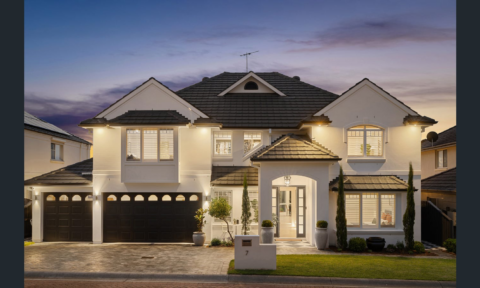
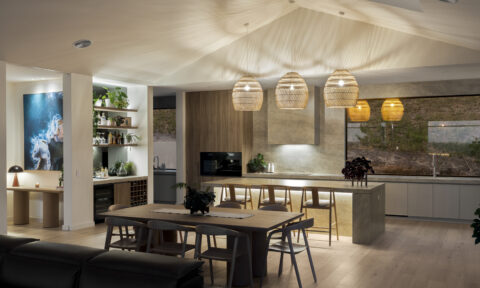
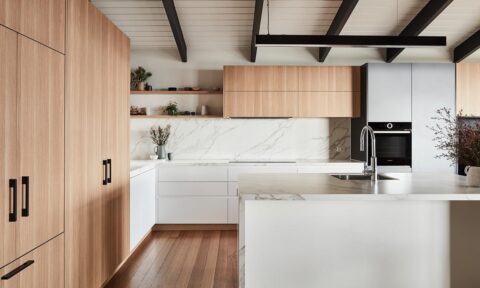
This month, we’re sharing the transformation of interior designer Kathryn Bamford’s own home as it prepares to go for sale. You can read more about the home here.
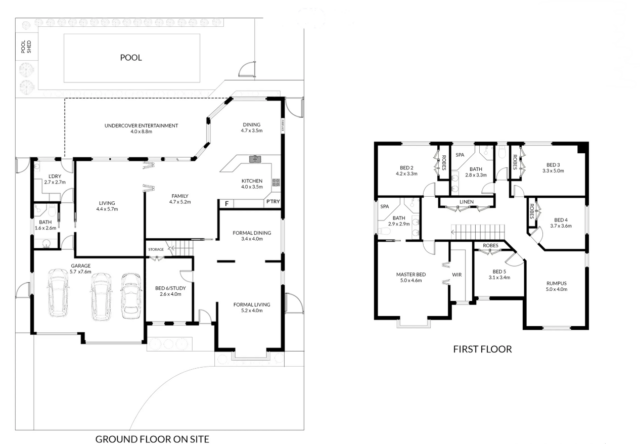
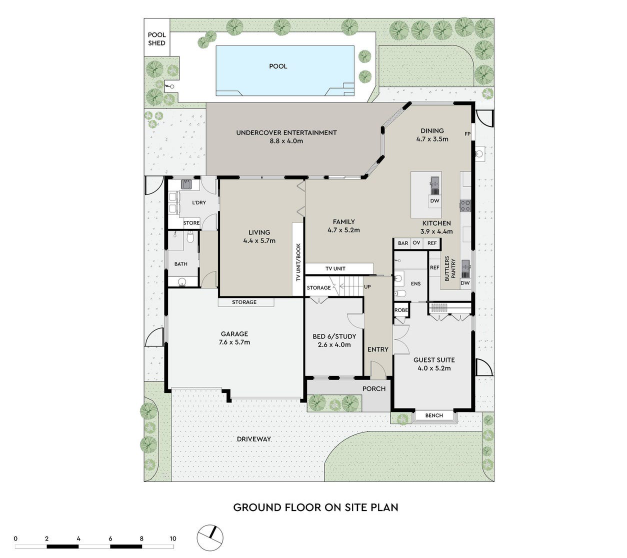
One of the biggest opportunities in the renovation wasn’t the finishes or styling — it was the floorplan. The house was already large — a six-bedroom home with three bathrooms and a three-car garage.
But despite the generous size, the layout didn’t quite make sense.
Like many homes built in the early 2000s, the floorplan reflected how people lived at that time, not how families live today. There were four oversized lounge rooms, a formal dining room that would rarely be used, and six bedrooms sharing only three bathrooms — one of which was an ensuite.
It felt disproportionate.
For a house this size, there simply weren’t enough bathrooms, and several of the spaces weren’t being used efficiently. The goal of the renovation was to completely rethink the existing floorplan — without adding any extra external footprint.
By the end of the renovation, the home was still the same size but had been transformed into a six-bedroom, five-bathroom house with a far more functional layout for modern living.
Designing for how people actually live
One of the first things I questioned was the formal dining room.
Unless you’re living in a true mansion, most families today simply don’t use them. They take up valuable space that could be working much harder for the home.
At the same time, the house had four separate lounge rooms, all of them oversized. It felt excessive and didn’t really support the way people gather as a family.
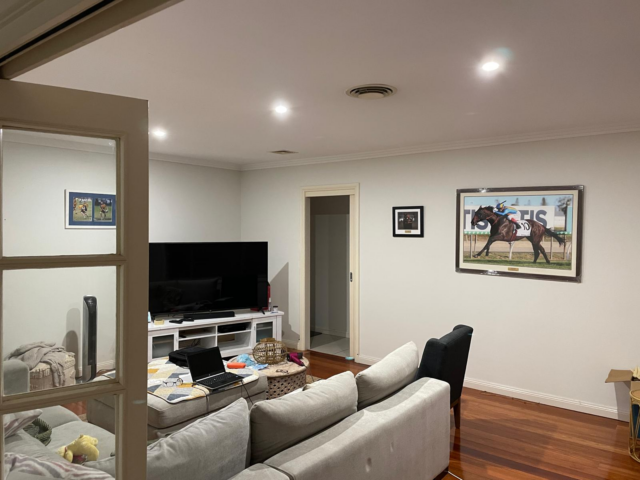
One of my key priorities was ensuring there was a living space large enough for everyone to be together comfortably. After all, you can’t have a six-bedroom home designed to accommodate a big family but then not have a lounge large enough to actually fit everyone.
This meant some fairly strategic layout changes — many of them involving moving doorways and walls to improve flow and functionality.
Creating a flexible ground floor suite
Another issue with the original layout was the ground floor bedroom.
While it existed, it was positioned too far away from a bathroom to function comfortably as a guest suite. That meant it didn’t really work for visiting family or for multi-generational living. Given the growing demand for homes that can accommodate in-laws or extended family, I wanted to create a proper ground floor suite.
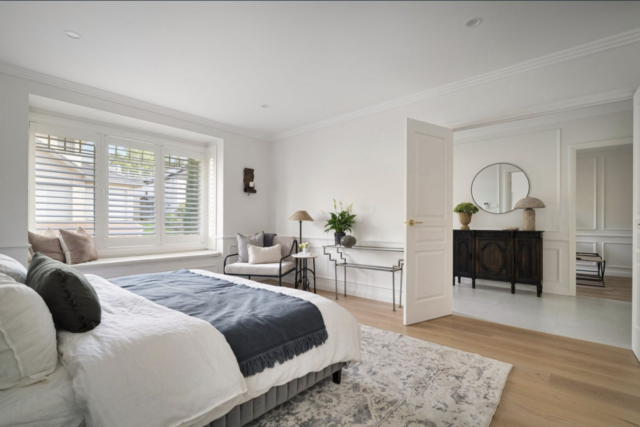
The original formal living room at the front of the house became the new ground floor master-style bedroom. We added an ensuite and a large built-in wardrobe to create a fully self-contained space.
To keep the room feeling grand and flexible, we gave it a double-door entry. This means the space can easily adapt depending on the homeowner’s needs. It could function as a guest suite or in-law accommodation, but it could also be used as a luxurious home office, theatre room or rumpus.
Making space for a proper butler’s pantry
The formal dining room ended up serving two much more useful purposes.
We divided the space so that one side became a butler’s pantry connected to the kitchen, while the other side became the ensuite for the new ground floor bedroom.
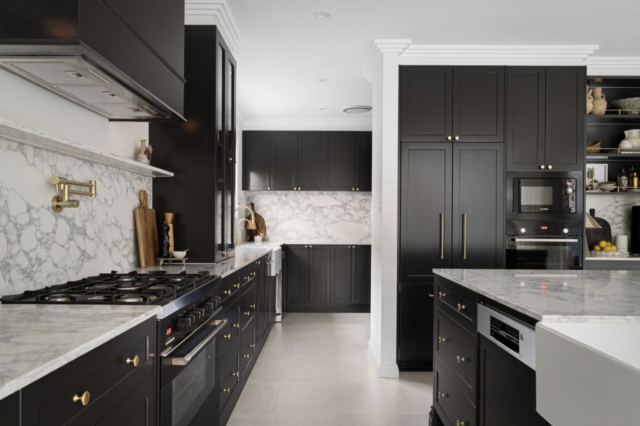
It was a far better use of space and helped support the way people actually cook and entertain in modern homes.
Small changes that made a big difference
Some of the most impactful layout improvements were actually quite subtle.
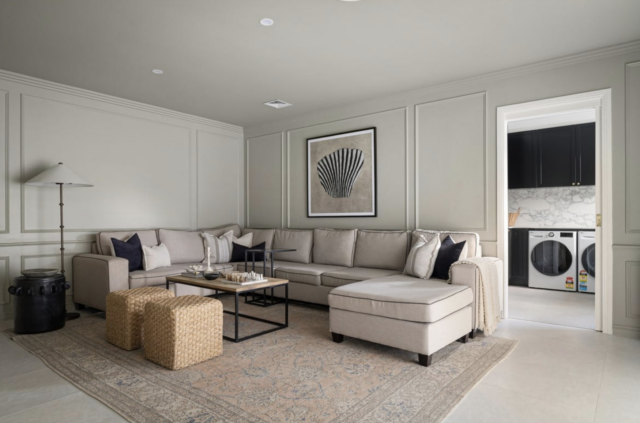
We repositioned doorways in the living room and replaced an existing window with doors leading to the back yard. The laundry door was also reconfigured. It might sound like a lot of door moving — and it was — but these changes allowed us to create a large corner lounge area that better suits family living.
Those small spatial adjustments can dramatically change how a home functions.
Upstairs adjustments
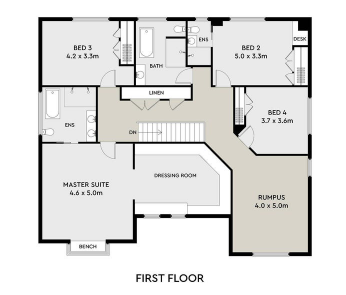
Upstairs, we also made a few strategic changes.
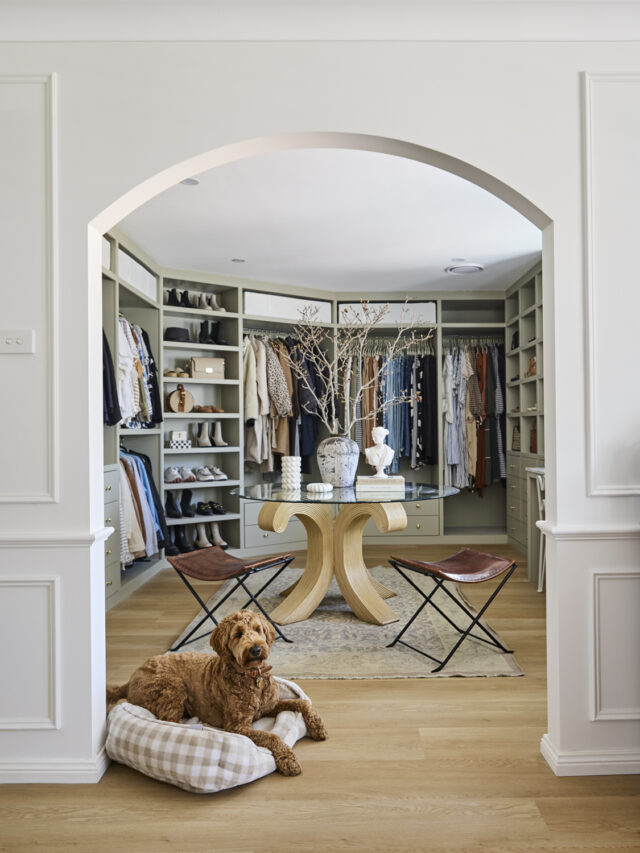
The house originally had six bedrooms but the walk-in robe to the main bedroom was quite small, especially for a home of this size. To improve that, we removed the smallest upstairs bedroom that backed onto the robe and incorporated that space to create a much larger walk-in wardrobe.
The main bathroom upstairs was also oversized, so we were able to borrow about 20cm from it and convert the existing separate WC into an ensuite for the neighbouring bedroom.
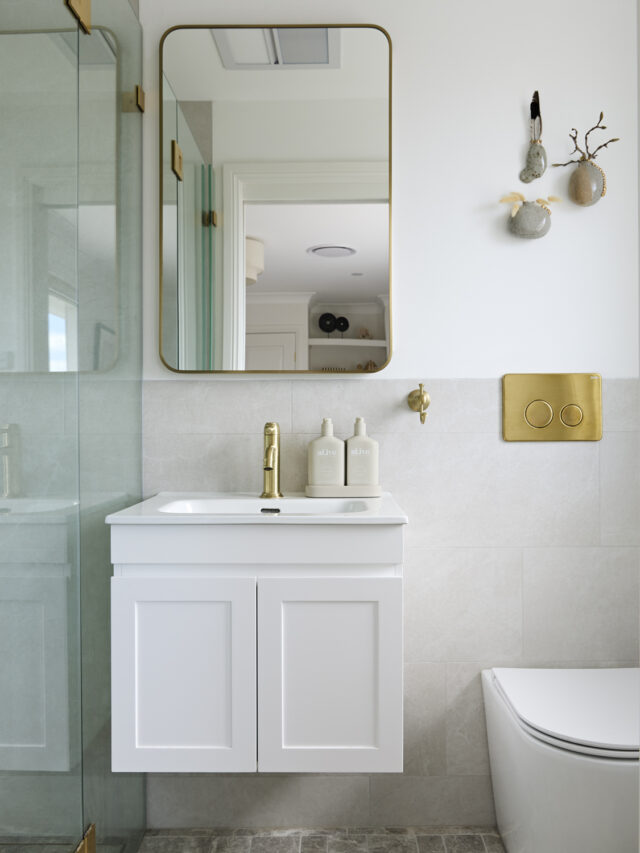
That change required moving the wardrobe joinery for that bedroom to the opposite wall, but it allowed us to significantly improve the functionality of the home.
The result
Without increasing the footprint of the house at all, the renovation transformed the layout from six bedrooms and three bathrooms into a much more practical six bedrooms and five bathrooms.
More importantly, the spaces now support how people actually live — with better flow, better proportions and greater flexibility for family life.
Next, I’ll take you inside one of my favourite parts of the renovation: the kitchen and butler’s pantry, which was definitely one of the biggest splurges of the entire project.
Can’t wait to see the full result? 7 Peppertree Place, Castle Hill will be going to auction on 28 March, 2026. You can view the full listing, photography and video tour here.