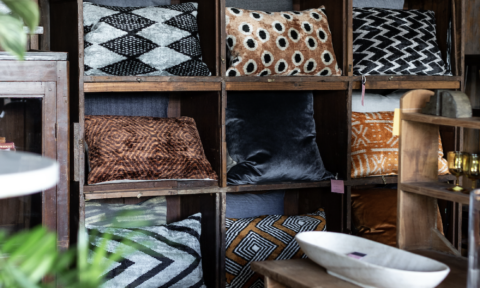
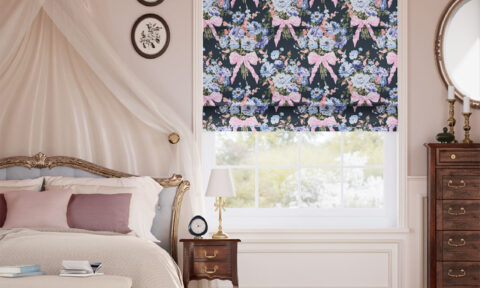
From TikTok trends to Pinterest boards, home inspiration is now just a scroll away and increasingly, AI is being used to turn those ideas into fully realised spaces, helping people visualise layouts, test styling and bring their dream homes to life faster than ever.
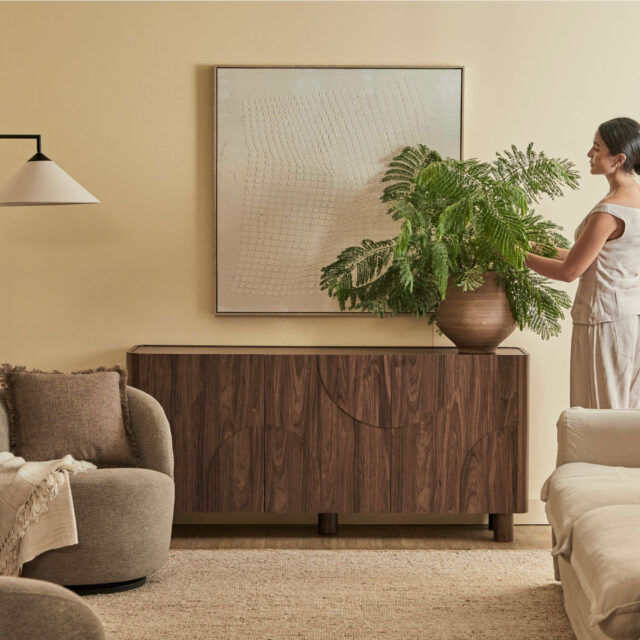
The shift is already gaining traction online, with TikTok monthly searches for ‘using AI to design my room’ reaching over 145,000, while ‘AI house design’ has surpassed 273,000 monthly searches as of May 2026.
But while AI is making interior design more accessible than ever, experts warn it may also be changing the way people approach their homes, often prioritising how a space looks on screen over how it actually functions in real life.
Katherine Stanley, head of homewares at Cooperandco.com.au, says the rise of AI-led design is shifting the starting point for many homeowners.
“AI has completely changed how people design their spaces. Instead of styling a room gradually or working with what they have, people are jumping straight to a finished vision, often before they’ve fully understood how their space needs to work,” she says.
“It’s incredibly useful for exploring ideas and gaining confidence in your style, but it shouldn’t replace your own judgement. AI can’t replicate personal taste or the way someone actually lives, and the homes that feel the most considered are the ones that balance inspiration with practicality, not ones that are copied exactly from an AI- generated image.”
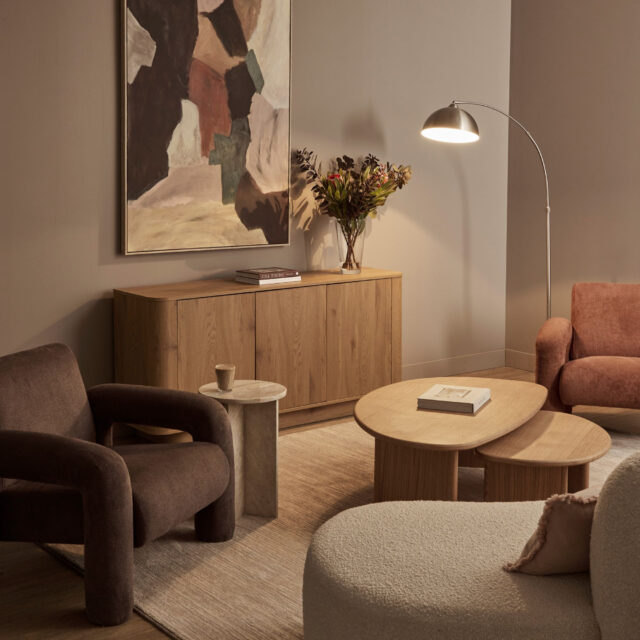
Katherine shares six dos and don’ts for using AI to design your spaces
1. Use AI to visualise your space, but don’t treat it as reality
“One of the biggest advantages of using AI is how quickly it can help you picture a space coming together. It’s particularly useful if you’re unsure where to start or want to test a few different layout ideas.
“But it’s important to remember that these images are often idealised. They’re designed to look polished and balanced, not necessarily to reflect how a room will actually feel to live in. Your home should reflect you, and feel inviting, not like a soulless AI-generated image.”
2. Let AI guide your colour choices, but always test them yourself
“If you’ve found a colour scheme you like, AI can be really helpful in building on that, whether it’s suggesting complementary tones or helping you identify similar paint shades. Especially as you can now upload your own inspiration pictures, it’s a great way to narrow down options. But colour is one design component that rarely translates perfectly on screen as it does in real life.
“Lighting, shadows and even the time of day can completely change how it looks, so you should always test patch samples in your own space first.”
3. Never rely on AI for measurements, always map it out physically
“Where people tend to come unstuck is with scale. A layout might look perfectly proportioned in a generated image, but that doesn’t always carry through in real life.
“Even if you’ve input dimensions, it’s still worth double-checking everything yourself. A simple trick is to use masking tape to mark out the exact shape and size of furniture on your floor, which can give you a much clearer sense of how the space will actually work.”
4. Use AI to explore styles and find alternatives, not to copy exactly
“AI is a really useful tool for exploring different styles or figuring out how to recreate a look you’ve seen, especially if you’re trying to work within a budget. You can use it to find similar pieces or compare different options quite quickly.
“But the spaces that feel the most personal are never copied exactly, they evolve over time and reflect your own taste and how you live. It’s important to put your own personal stamp on things to avoid your space becoming too generic or looking cold and uninviting.”
5. Be specific with prompts and sense-check the results
“A lot of the output you get from AI comes down to how you ask for it. The more detail you include; things like dimensions, layout constraints, or the overall feel you’re going for, the more useful the results tend to be.
“But even then, it’s important to sense-check what results it comes back with. It might look right visually, but you still need to ask whether it actually makes sense for your space and your day-to-day life.”
6. Don’t rely on AI to dictate trends, focus on what will last
“AI tends to pull from what’s popular right now, so a lot of what it generates is heavily trend-driven. That can be helpful for inspiration, but it also means you can end up designing a space that feels dated quite quickly. Trends move fast, especially online, and what looks current and trendy today might not feel right in a year’s time.
“A well-designed home should be intentional and timeless rather than reactive. That’s where a more human approach comes in, whether that’s trusting your own instincts or working with a designer who understands how to create something that will evolve with you. AI can show you what’s trending, but it can’t always tell you what will last.”
Cooper & Co. was born during a time when the walls around us started to matter a little more. As people spent more time at home, it became clear that finding furniture that felt considered and well-designed, without the heavy price tags, was not always easy. Their focus was on creating pieces that felt thoughtful, functional, and right for everyday living. Bringing Cooper & Co. online allowed them to connect more directly with customers looking for furniture that sat comfortably between affordable and considered.
…
…