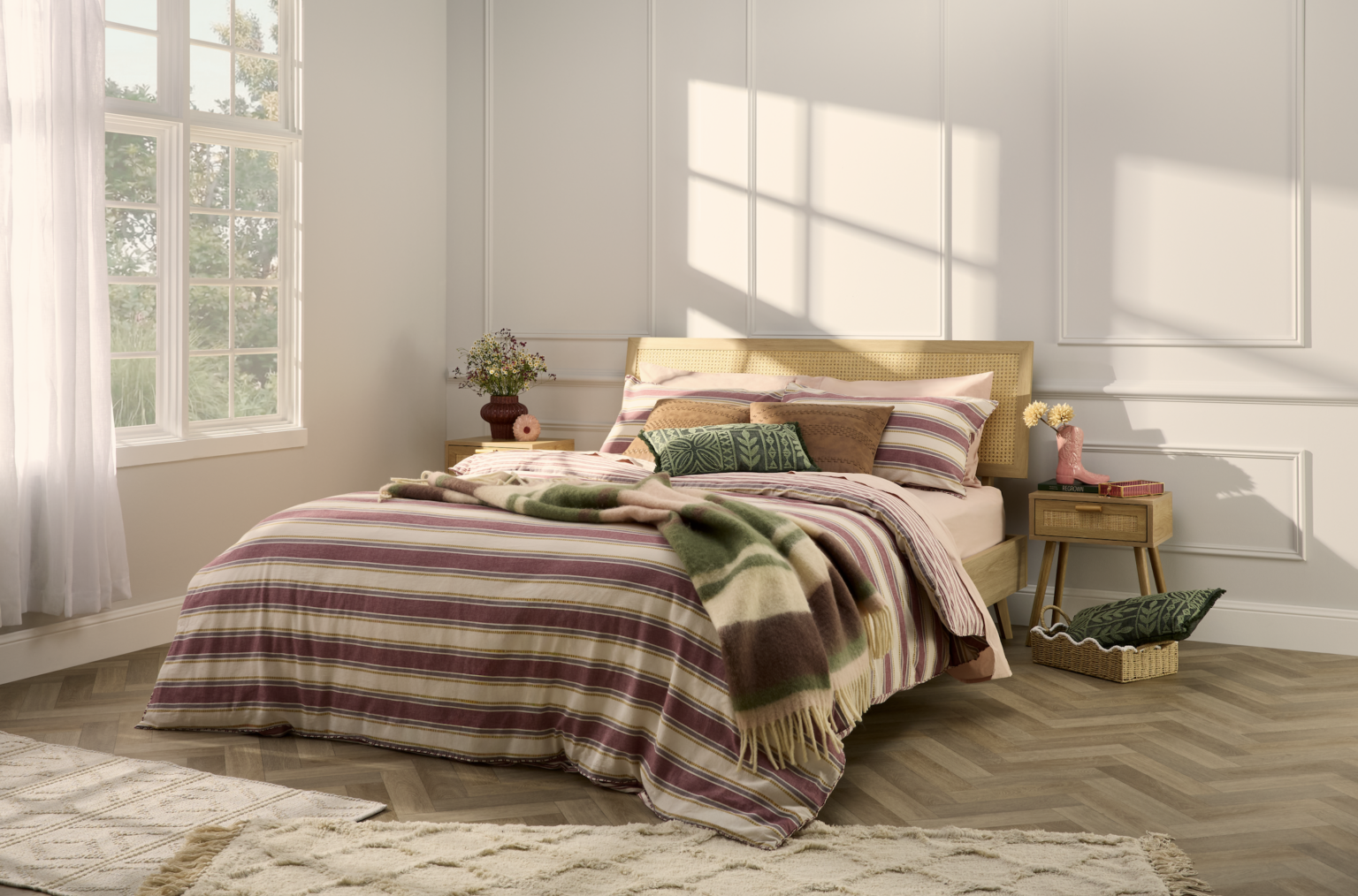
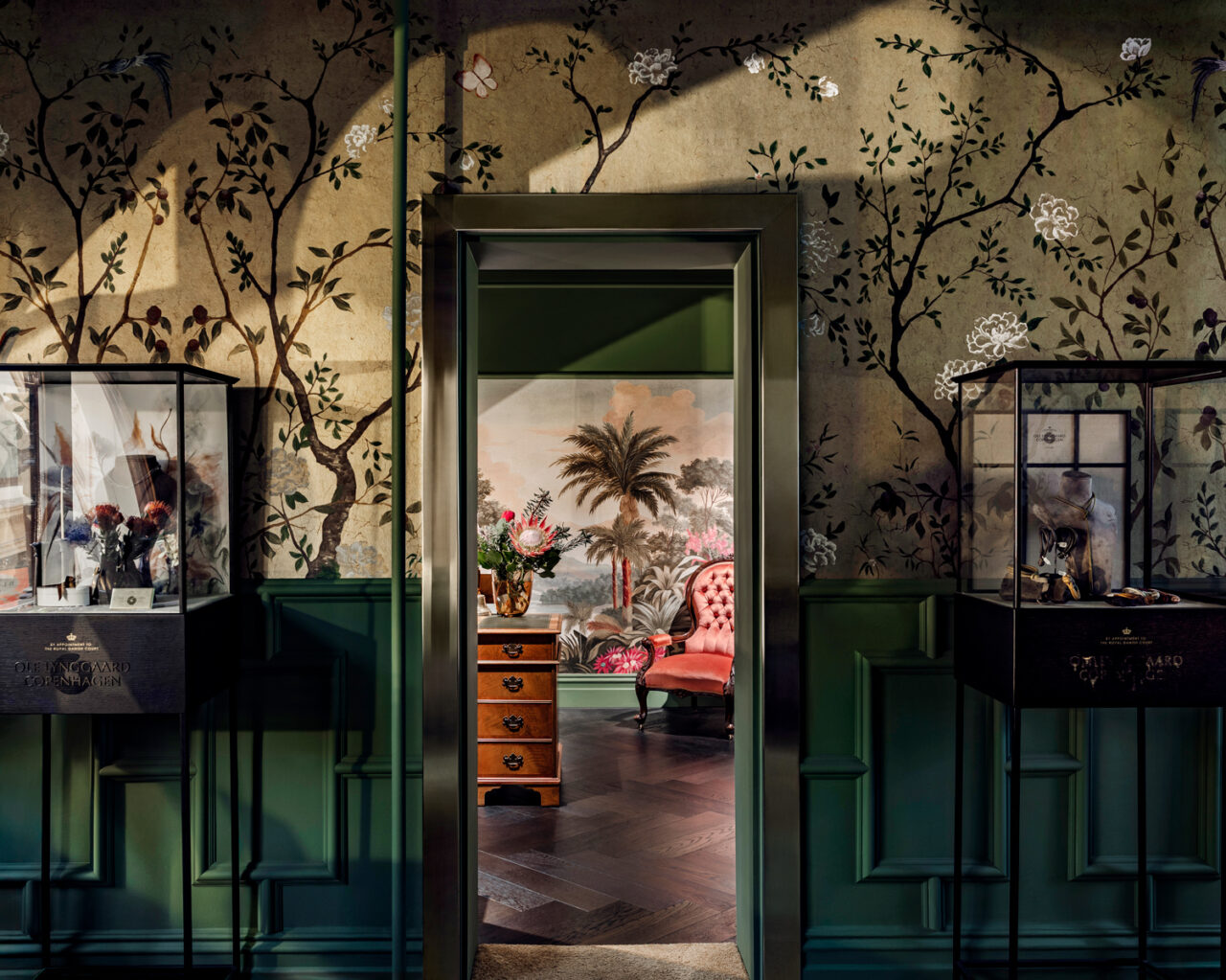
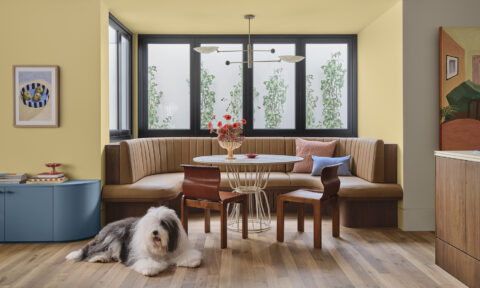
Chocolate brown tones, once considered heavy or dated, are increasingly being used as a modern neutral, valued for the warmth and comfort they bring to everyday spaces.
According to Kellie Bower, senior textile designer at Pillow Talk, the move towards deeper, grounding tones reflects a broader change in how people want their homes to feel.
“After years of cool, minimal palettes, there’s been a noticeable appetite for colours that feel emotionally warm,” she says. “Chocolate brown brings depth and softness to a space. It makes rooms feel more settled and inviting, which is something people are prioritising in their homes right now.”
Why comfort is shaping colour choices
Designers point to changing lifestyles as a key driver behind this shift. With people spending more time at home and placing greater value on rest and restoration, interiors are moving away from overly crisp or minimal palettes and towards tones that feel grounding.
“Deep, earthy tones naturally create a sense of calm and familiarity,” Kellie says. “They absorb light rather than reflecting it, which helps spaces feel less stark and more cocooning, particularly in bedrooms and living areas.”
Rather than acting as a statement colour, chocolate brown is being used to anchor a space, offering visual warmth without overwhelming it.
Chocolate as a modern neutral
One reason chocolate brown is gaining traction is its versatility. Richer than beige but warmer than grey, it works as a base colour that layers easily with other tones and textures.
Designers are pairing chocolate with:
- Soft whites and oat tones for a relaxed, neutral palette
- Earthy greens for a grounded scheme
- Muted blush or clay tones for subtle contrast and warmth.
“Chocolate behaves much like a neutral,” Kellie says. “It adds depth but does not dominate. That makes it appealing for people who want to refresh their home in a way that feels current but not overly trend-led.”
How the trend is showing up in the home
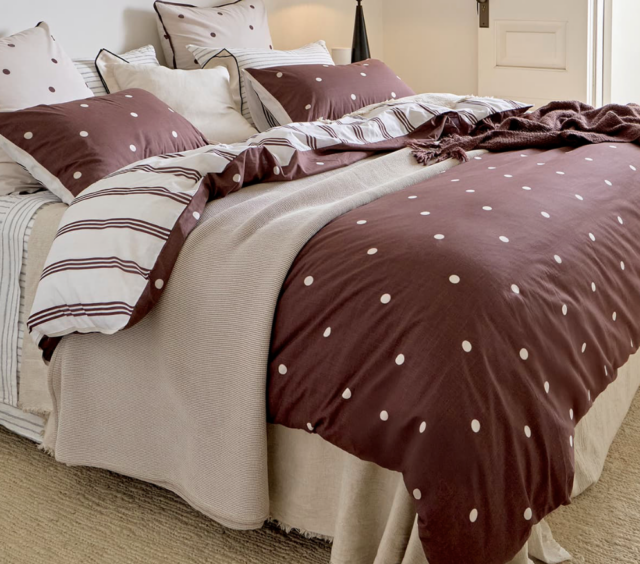
Retro-inspired motifs are also emerging in chocolate brown textiles, with patterns such as wide stripes and chocolate spots making a comeback. These designs carry a nostalgic quality, evoking simpler, lived-in interiors from past decades, while confident placement and pairing with modern silhouettes or pared-back layouts keep the look fresh and contemporary. The result is a blend of emotional warmth and current style that resonates strongly with comfort-led interior trends.
Customers are gravitating towards key chocolate brown pieces that make layering and styling feel intentional rather than trend-driven:
- Chocolate brown quilt covers, such as the Louella Polka Dot Quilt Cover Set, are a strong visual foundation that brings depth and confidence to the bedroom
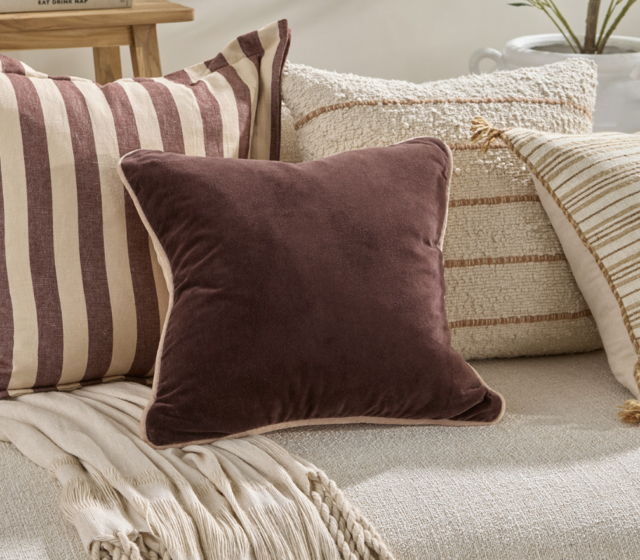
- Chocolate brown cushions, such as the natural and chocolate Cleo Reversible Velvet Feather Cushion, simply elevate the space with both comfort and a premium feel
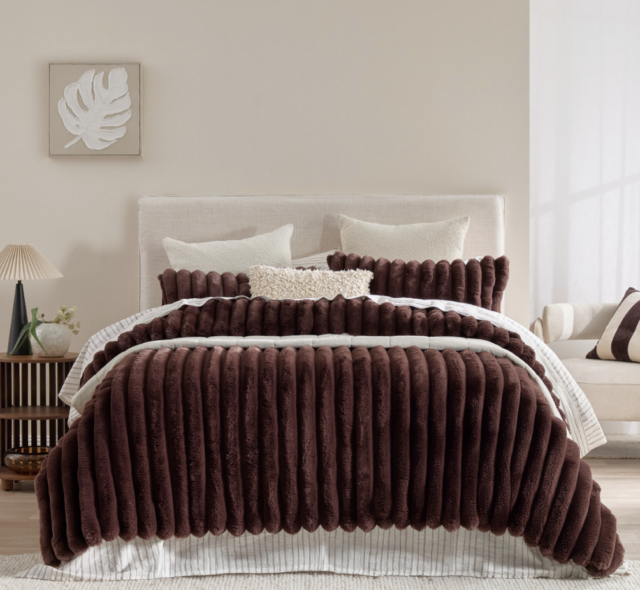
- Chocolate brown comforters, including plush faux fur and ribbed designs like the Oslo Faux Fur Ribbed Comforter Set, offer an added layer of warmth and softness, reinforcing the cocooning feel people are seeking in bedrooms.
“Textiles are an easy entry point,” Kellie says. “In bedding especially, chocolate-toned quilt covers create a cocooning effect that feels comforting at the end of the day, particularly when paired with tactile finishes like linen, quilting, ribbed textures, plush faux fur or velvet, which add warmth and softness without overwhelming the space.”
Beyond aesthetics, designers note that deeper tones also offer practical benefits. “It is a colour that invites you to relax,” Kellie adds. “It feels lived-in rather than styled, which aligns with how people actually want to use their homes.”
Chocolate brown is here to stay
While colour preferences will always evolve, designers believe chocolate’s appeal lies in its emotional resonance rather than novelty. “Comfort-led design is not a passing phase,” Kellie says. “Chocolate brown taps into the desire for homes that feel warm, grounded, and easy to live in. That is why we are seeing it increasingly woven into modern interiors.”